Supercritical Foam
for Footwear Components
Develop SCF insoles and midsoles around the weight, cushioning and construction your footwear needs.
We combine qualified foam materials with component design, forming and validation to take your project from a sample brief to an approved part.

What Is Supercritical Foam?
Supercritical fluid foaming uses nitrogen, carbon dioxide or a combination of the two to expand a suitable polymer without traditional chemical blowing agents.
The foam is microcellular with predominantly closed cells. Its performance depends on the resin grade, formulation, foaming route and finished component geometry.
Explore the Material ScienceSelect the Polymer.
Then Qualify the Grade.
Start with the component’s requirements. Compare candidate grades in your intended thickness and construction before choosing a material.
SCF EVA
A starting point for projects balancing cushioning, material cost and familiar EVA construction.
SCF TPU
Consider TPU grades when elasticity and strength need to be assessed alongside component weight.
SCF TPEE
Evaluate TPEE where resilience, heat exposure and chemical resistance enter the material brief.
SCF PEBA
Consider PEBA grades for performance components with demanding weight and rebound targets.
Polymer names identify the material family. The approved grade, process and part design determine the finished result.
Design Around the Component.
An insole and a midsole work within different spaces and assemblies. Material selection starts with the part you need to make.
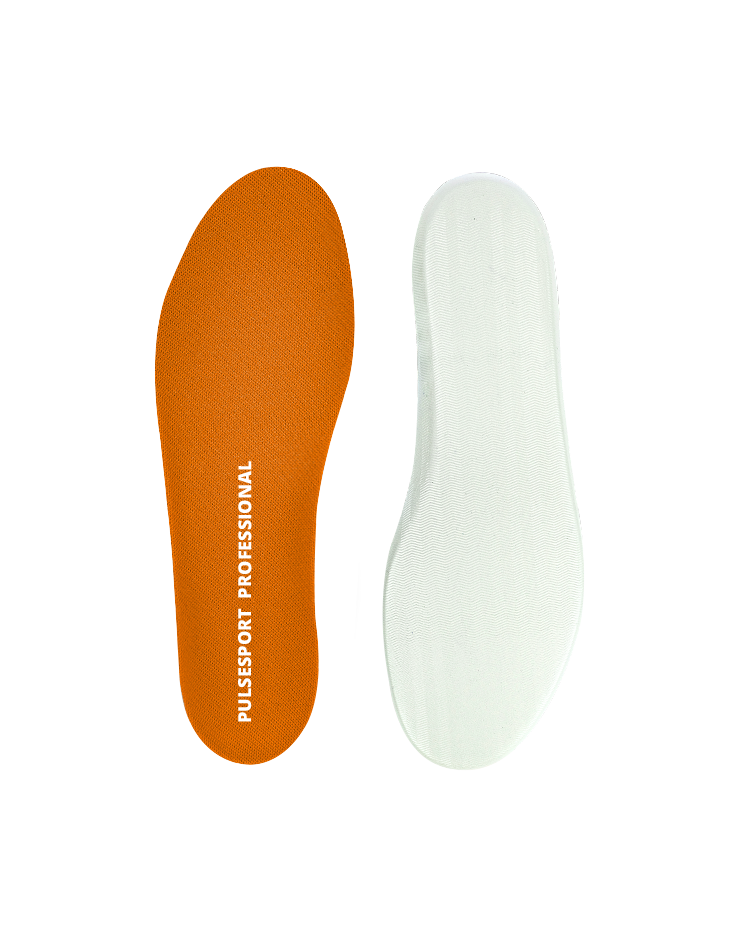
Underfoot Feel Within the Shoe.
Balance cushioning with the shoe’s available volume, heel contour and cover-fabric requirements. Evaluate the foam together with the finished insole shape and bonded layers.
Explore SCF Insoles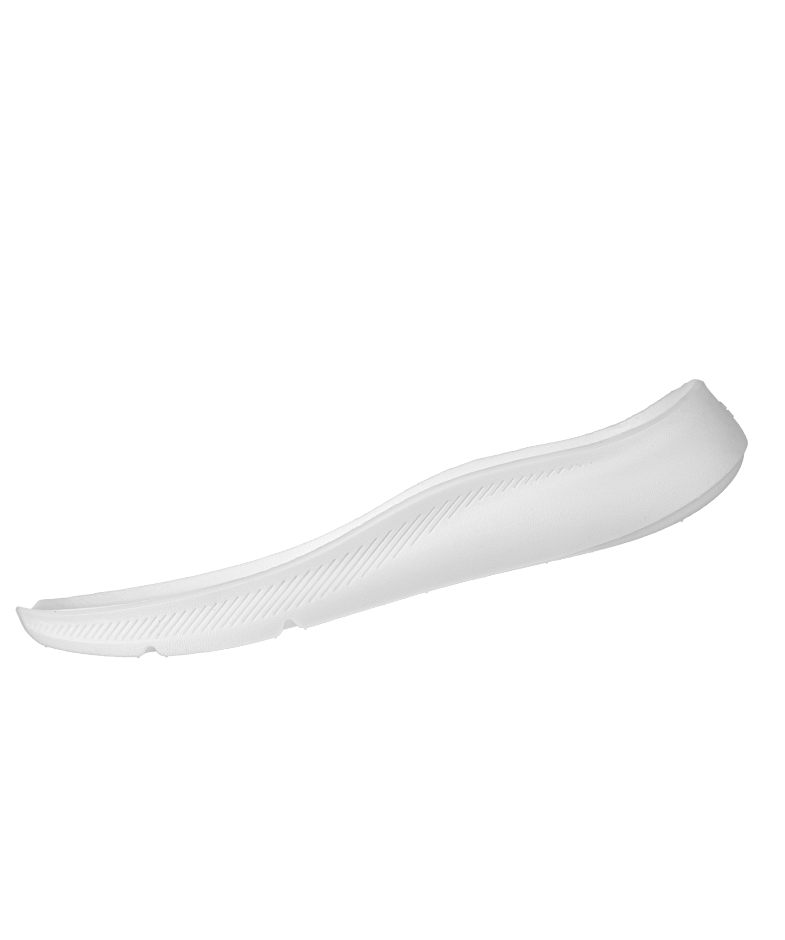
Cushioning Within the Sole Assembly.
Match the foam to the designed geometry, stack and bonding system. Confirm component weight, compression behavior and compatibility with the rest of the sole assembly.
Explore Midsole DevelopmentFrom SCF Sheet
to a Shaped Insole.
For our TPEE insoles, the route starts with sourced supercritical TPEE sheet. The forming choice follows the part geometry and physical-property requirements.

- 01
Qualify the Sheet
Confirm the material grade, thickness and incoming physical properties.
- 02
Die Cut the Blank
Cut to the component outline and size requirements.
- 03
Form the Component
Use cold pressing or integrated cold-hot molding to suit the design.
Sheet manufacture and component forming are separate stages. We confirm material supply, forming conditions and finishing requirements for your project.
Our Development ServicesCompare the Properties
That Matter to Your Part.
Compare grades at matched specimen thickness, conditioning and test conditions. Use the named test method to interpret each result.
| Property | Development Question | What to Specify |
|---|---|---|
| Thickness & Profile | Available shoe volume? | Defined measuring locations |
| Hardness | Target underfoot feel? | Asker C; method; tolerance |
| Density & Weight | Component mass budget? | g/cm³; g/part |
| Resilience | Required rebound response? | Named method; specimen |
| Compression Set | Residual deformation limit? | Load; temperature; time |
| Bonding | Assembly compatibility? | Layers; adhesive; test |
Resilience and energy return are different measurements. Compression set describes residual deformation; compression fatigue concerns changes under repeated loading.
Explore the PulseSport Range.
Use these product references to start a material discussion. The foam grade and finished specification are confirmed for the selected construction.
View the PulseSport Platform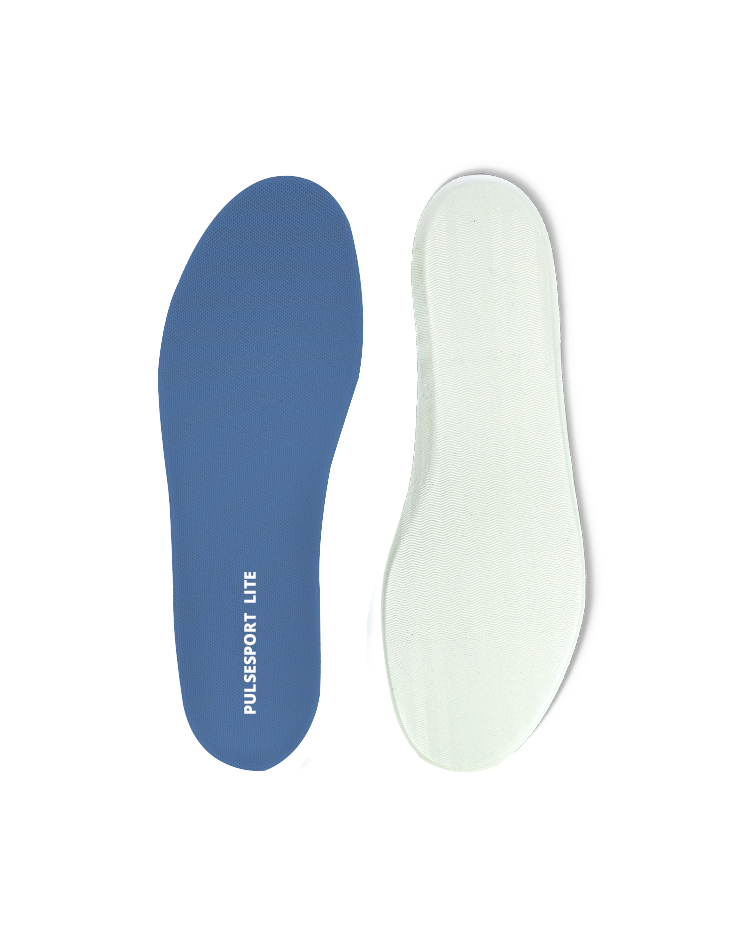
Tell Us About
the Part You’re Developing.
Share a drawing or reference sample, the intended footwear and the properties you need to achieve. We’ll help define the material and component-development route.
Request a Sample- Component type and reference sample
- Size range, thickness and weight target
- Cushioning and required test methods
- Cover fabric, bonding and construction
- Forecast quantity and project timing
Supercritical
Foam FAQs
Is supercritical foam different from EVA?
EVA is a polymer family; supercritical foaming is a processing technology that can be applied to suitable EVA grades and other polymers. Compare the actual foam grade and finished part rather than treating “SCF” and “EVA” as mutually exclusive materials.
Which gases are used in supercritical foaming?
The process may use nitrogen, carbon dioxide or both. The choice depends on the resin, equipment and target foam properties.
Which SCF material platforms can we discuss?
Our material-development options include EVA, TPU, TPEE and PEBA systems. The suitable grade and processing route depend on your component and project requirements.
How does FX turn SCF material into an insole?
For TPEE insoles, we use sourced supercritical TPEE sheet, die cutting, then cold pressing or integrated cold-hot molding. The route is selected around the component structure and physical-property requirements.
Can I compare rebound percentages directly?
Only compare results with the same test method, specimen preparation and conditions. A resilience percentage should not be treated as an interchangeable energy-return value.
How long does sampling take?
After specifications, drawings where applicable, and material requirements are confirmed, routine samples with suitable existing tooling, materials and processes normally take 3–7 working days; new tooling or material validation normally takes 2–4 weeks. Complex builds and external testing need an individual schedule.