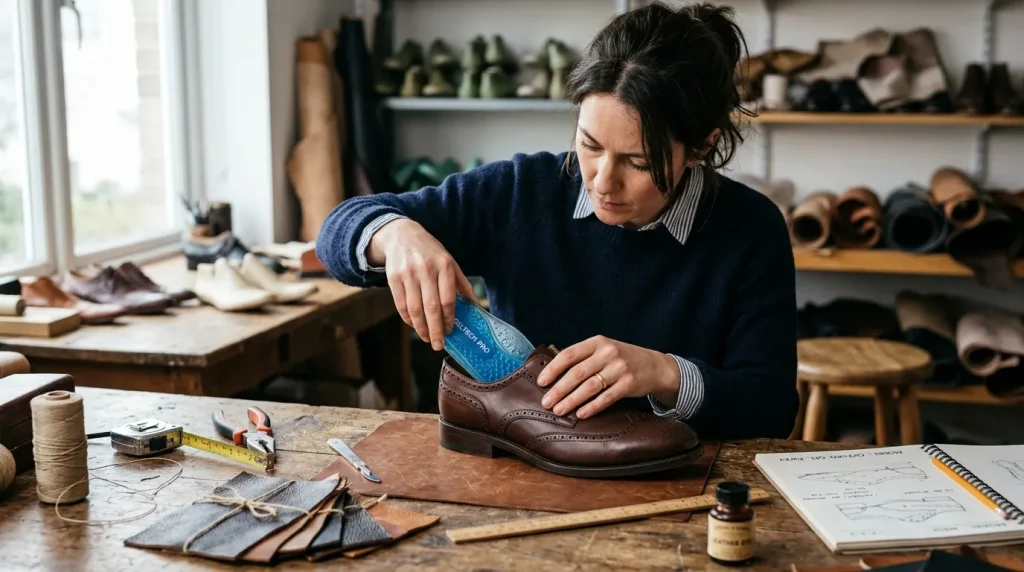
We’ve all been there — a pair of shoes that looked perfect online arrives a half-size too large, or a favorite pair stretches out over time and starts slipping at the heel. The good news is that you don’t have to live with the discomfort or return the shoes. The best insoles for making shoes smaller offer a surprisingly effective, affordable fix that works for most shoe types. This guide walks you through the most practical methods to reclaim a secure, comfortable fit using insoles alone.
Why Oversized Shoes Cause Problems
Wearing shoes that are even slightly too large creates a chain reaction of discomfort and potential injury. When the foot slides forward with each step, toes jam against the front, blisters form along the heel, and your gait shifts to compensate — placing unnecessary strain on ankles, knees, and hips.
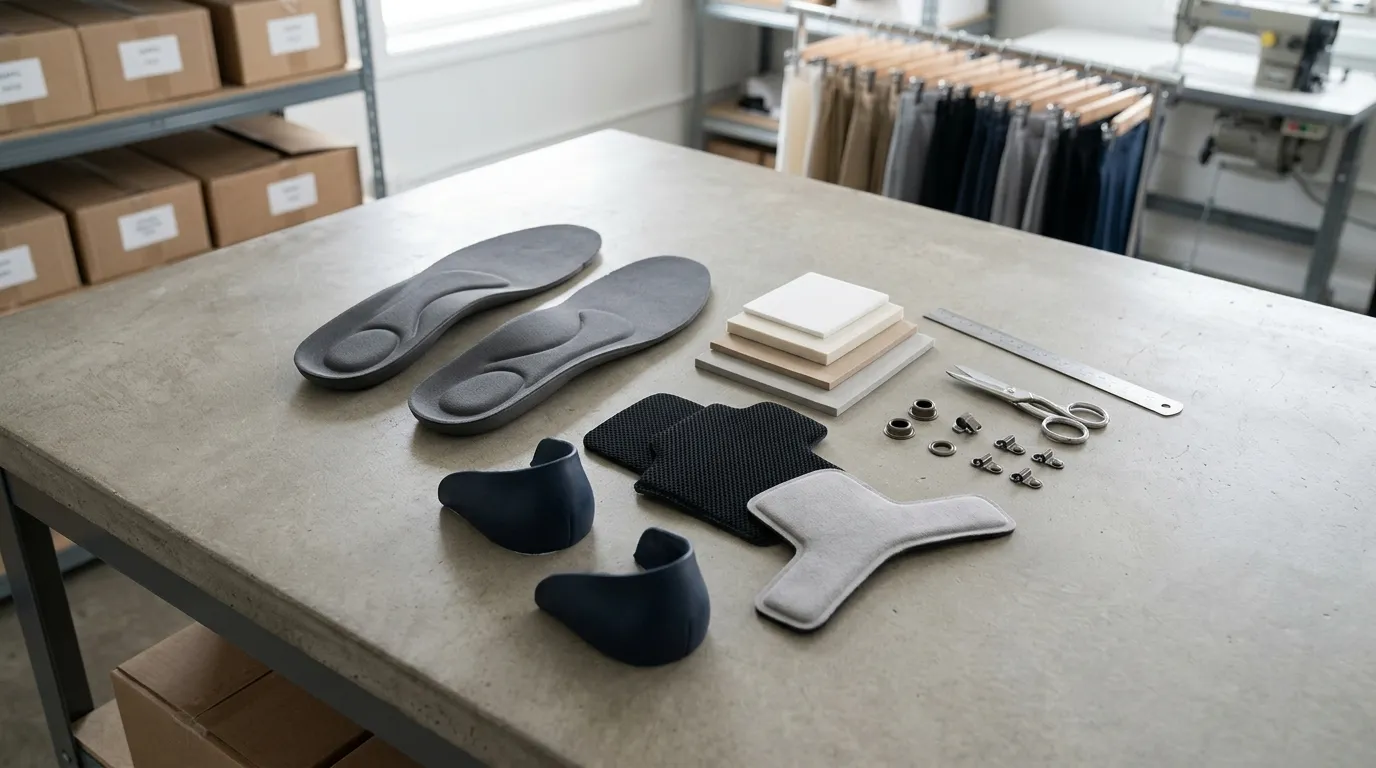
Beyond the physical toll, loose shoes simply don’t perform well. Athletes lose energy transfer, workers on hard floors fatigue faster, and everyday wearers develop calluses from friction. Many people assume they need to buy new shoes, but the right insole solution can close that size gap meaningfully, often eliminating the problem entirely.
Understanding the cause is the first step. A shoe that’s one full size too large has roughly 8–10mm of extra interior length. A well-chosen insole, combined with heel grips or toe fillers, can account for that difference without compromising breathability or foot health.
Best Insoles for Making Shoes Smaller
The best insoles for making shoes smaller do two things simultaneously: they raise the foot’s position inside the shoe, reducing interior volume, and they add light cushioning that fills dead space. Full-length insoles are your starting point because they address the entire footbed rather than just a portion of it.
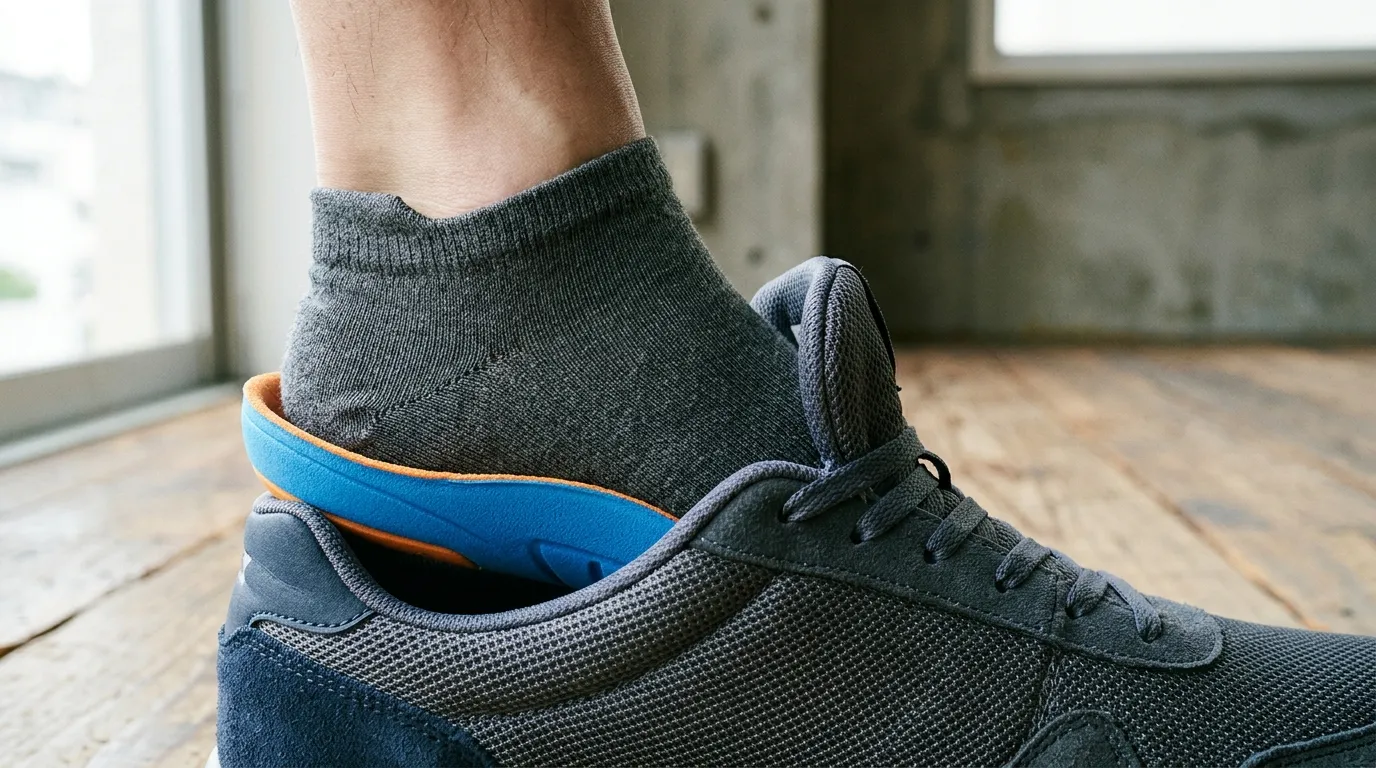
Look for insoles with moderate thickness — typically 4–6mm at the heel and 2–3mm under the forefoot. EVA foam is a popular choice because it’s lightweight, compressible, and resilient. You can explore everyday EVA insole manufacturer options designed for exactly this kind of volume correction without adding unnecessary bulk or stiffness underfoot.
For shoes that are more than one size too large, layer a full-length insole with a half-insole placed under the forefoot or a dedicated heel cup at the back. This stacking method increases overall volume reduction without making the shoe feel crowded. Always make sure the layered insoles lie flat — any bunching undermines both fit and comfort.
Heel Grips & Toe Fillers Compared
Once you have your base insole in place, targeted accessories fine-tune the fit further. Heel grips are adhesive pads that stick to the interior heel counter, adding thickness precisely where slippage originates. They’re particularly effective for shoes that fit well at the toe box but gap at the heel — a common issue with wide or D-width lasts.
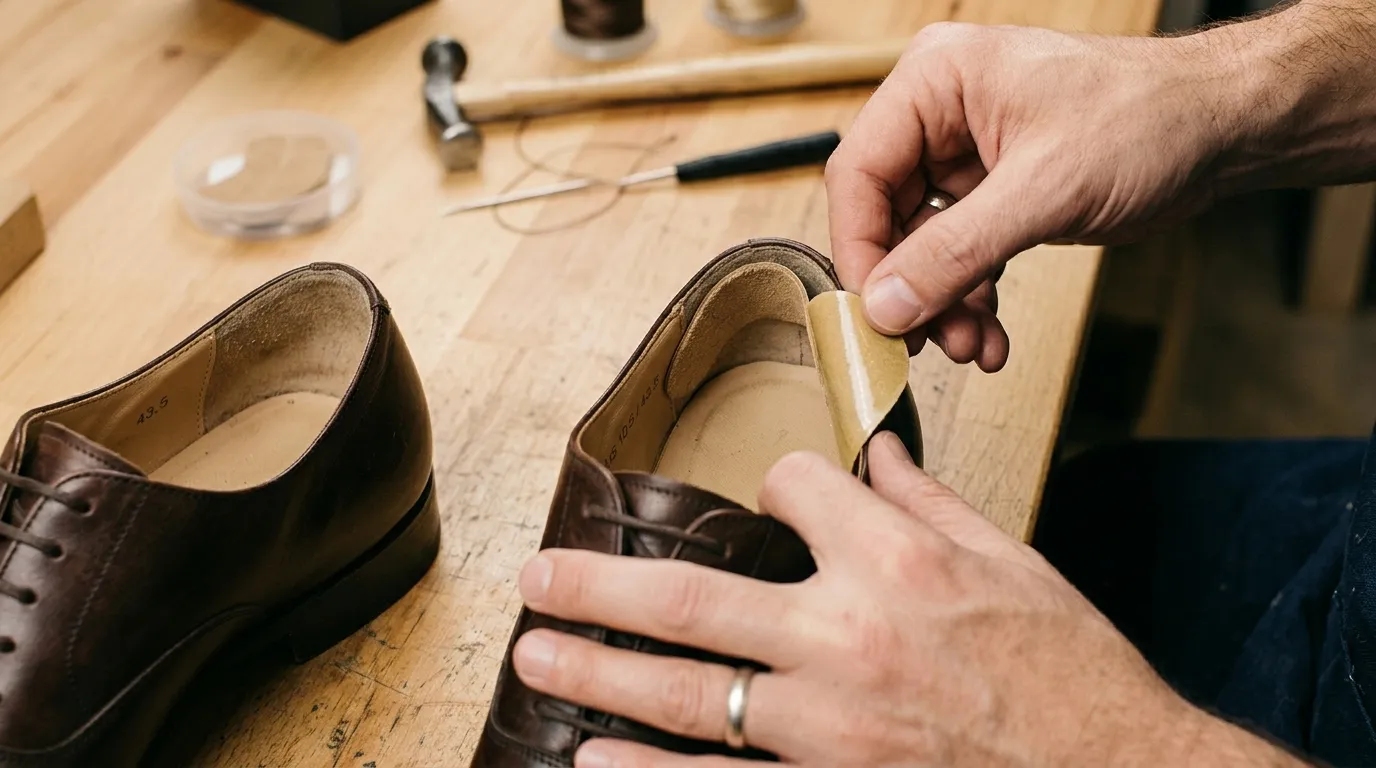
Toe fillers work at the opposite end, taking up space in front of the toes. They’re most useful when shoes are longer rather than wider, preventing the foot from sliding forward into empty space. Foam-based toe fillers are preferable to rigid options because they compress naturally with each stride.
Combining heel grips with a full-length insole is often the most efficient approach for a half-size discrepancy. For a full-size gap, add toe fillers as well. Think of it as a tiered strategy: insoles handle overall volume; heel grips address slippage; toe fillers manage length. For a deeper dive into placement and stacking technique, the guide on how to use insoles correctly for maximum comfort covers proper positioning in detail.
Insole Materials & Thickness Guide
Material choice directly affects how much volume an insole reclaims and how long it maintains that correction. Here’s a practical breakdown:
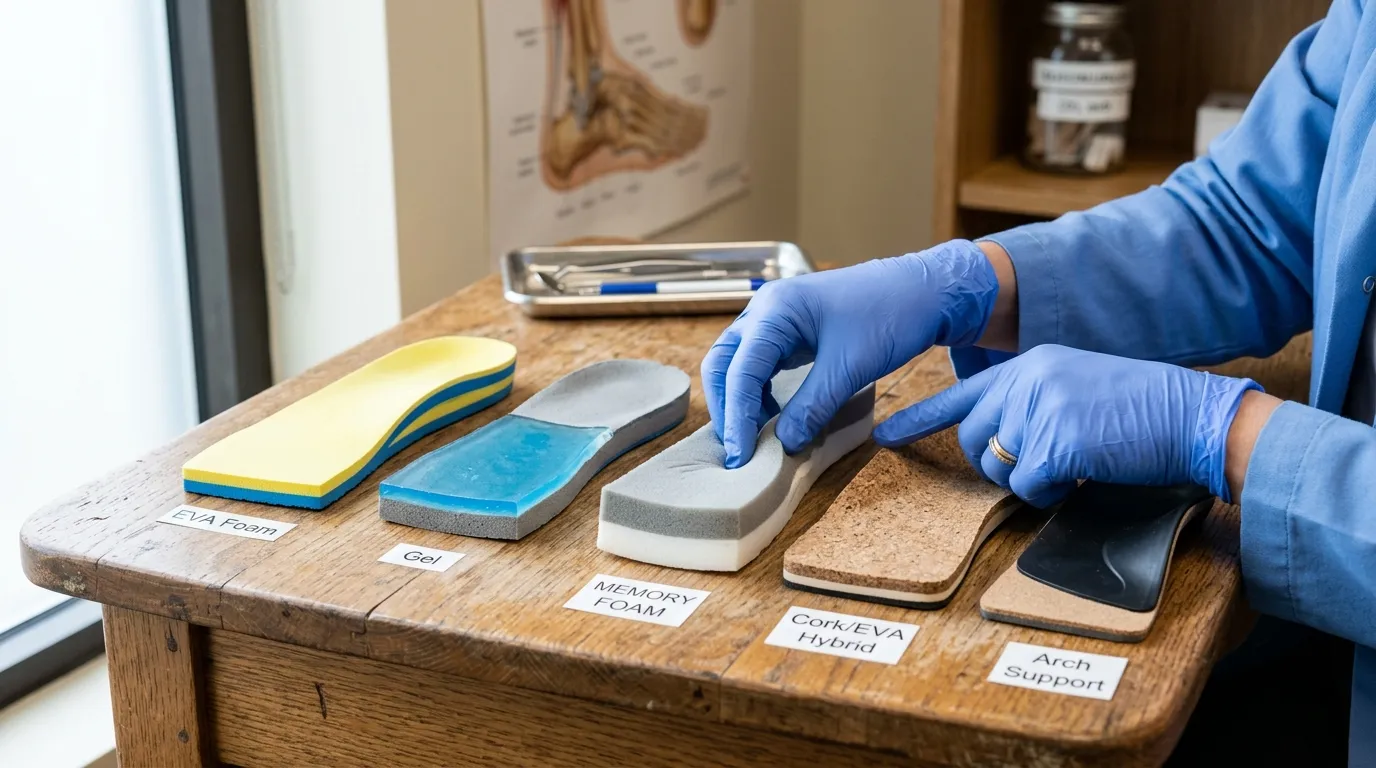
EVA foam is the most versatile option — lightweight, available in varied densities, and easy to trim. It holds its shape well under moderate daily use and works in sneakers, dress shoes, and casual footwear alike.
Memory foam conforms to your foot shape over time, which feels luxurious but compresses more than EVA. If your goal is purely volume reduction, memory foam may thin out faster than expected under heavy use, requiring replacement sooner.
Cork-latex blends offer firmness and durability, making them a strong choice for leather dress shoes or work boots where a structured feel is preferred. They’re thicker by nature, which actually helps fill oversized footwear more effectively.
Gel insoles are best reserved for targeted pressure relief rather than size correction — they’re generally too thin and pliable to reliably reduce interior volume. Pair a gel heel cup with an EVA base if cushioning and fit correction are both priorities. Working with a quality shoe insole manufacturer ensures that the materials used in your insoles meet consistent thickness and density standards — critical when fit precision matters.
Shoe Types & Insole Compatibility
Not every shoe accepts a full-length insole without modification. Understanding compatibility saves time and avoids ruining a good pair of shoes.
Sneakers and athletic shoes almost always have a removable factory insole. Take it out before inserting your replacement — layering over a factory insole often makes the shoe too tight and pushes the foot up against the collar. With the factory unit removed, a 5mm replacement insole effectively reduces interior volume by the same amount.
Dress shoes and loafers typically have a thin, glued-down lining rather than a removable insole. Here, slim full-length insoles (2–3mm) work best. Thicker options will cause the heel to sit above the shoe’s collar, creating a new set of problems. Half-insoles are especially practical in dress shoes because they sit discreetly under the forefoot without interfering with the heel’s shape.
Boots offer the most flexibility because of their higher volume. They can accommodate full-length insoles, heel cups, and toe fillers simultaneously. Be mindful of ankle movement — if stacking insoles raises the foot too high, it can restrict ankle flex, which matters especially in work boots and hiking boots.
Trimming & Installing Insoles Correctly
Even the best insoles for making shoes smaller won’t perform well if they’re improperly sized or installed. Most aftermarket insoles are made to fit a range and need trimming to match your exact shoe interior.
Start by removing the factory insole (if removable) and tracing it onto your new insole with a light pencil mark. Cut just inside the line using sharp scissors or a utility knife — a slightly smaller insole is better than one that bunches at the toe. Test the fit before committing; the insole should lie completely flat with no folded edges.
For adhesive heel grips or toe fillers, clean the interior surface with a dry cloth before pressing them in place. Adhesive bonds poorly to dusty or damp surfaces, and a grip that peels mid-stride is worse than no grip at all. Press firmly for 30 seconds and allow the adhesive to set for at least an hour before wearing. If you’re unsure about the best configuration for a specific shoe type, browsing our sport insole manufacturer range can help you identify purpose-built options before you start cutting.
FAQ
FAQ: Can insoles make shoes a full size smaller?
A full-length insole with moderate thickness (4–6mm) can effectively reduce interior volume by approximately half a shoe size. For a full size, combining a full-length insole with heel grips and toe fillers can close most of the gap. Results vary depending on the shoe’s construction and the insole materials used.
FAQ: Will insoles make tight shoes uncomfortable?
If shoes already fit correctly, adding insoles will make them tighter — and potentially uncomfortable. Insoles for size reduction should only be used in shoes with demonstrable extra space. Always test with the insole in place and walk for a few minutes before committing to extended wear.
FAQ: How long do size-reducing insoles last?
EVA foam insoles typically last 6–12 months under daily use before noticeable compression occurs. Cork-latex options can last longer. Once an insole no longer springs back to its original thickness, it’s time to replace it — a flattened insole no longer provides meaningful volume reduction or support.
FAQ: Can I use insoles in heels or sandals?
Open-toe heels can accommodate slim forefoot half-insoles or adhesive ball-of-foot pads, which add light grip and reduce forward sliding. Sandals with adjustable straps are better corrected by tightening the straps rather than adding insoles, as there’s limited interior space for additional material.
FAQ: Are washable insoles better for this purpose?
Washable insoles are a practical choice because moisture from sweat can degrade adhesive insoles over time and cause odor buildup. Machine-washable or hand-wash-compatible insoles let you refresh them regularly, maintaining both hygiene and structural integrity — especially important when insoles are doing the job of holding a fit correction in place.
If you’re a footwear brand or retailer looking to offer customers a reliable fit-correction solution, FX Footwear (Fuxiang Group) manufactures high-quality insoles built to consistent thickness and density specs — exactly what’s needed when fit precision is the goal. As an experienced custom shoe insole manufacturer, FX Footwear works with brands across the US market to develop insole solutions that solve real problems for real wearers. Reach out to explore custom options tailored to your product line.