Supercritical Foam Insoles Engineered for Performance Footwear
FX Footwear develops supercritical foam insoles using advanced foam materials from strategic technology partners, combined with our expertise in molding, processing, and footwear component manufacturing.
What Is a Supercritical Foam Insole?
A supercritical foam insole is foamed physically: the polymer is saturated with an inert gas in its supercritical state, then pressure drops and millions of uniform micro-cells form at once. This physical foaming step does not use chemical blowing agents. The resulting cell structure returns more energy and resists flattening better than chemically foamed EVA.
Supercritical foam technology can be applied to various polymer platforms, including EVA, TPU, modified TPU (A-TPU), TPEE, PEBA, and ETPU. Each material provides a different balance of resilience, weight, durability, and cost depending on the footwear application.
PulseSport represents FX Footwear's supercritical foam insole solutions, combining advanced foam materials from strategic partners with our expertise in footwear component manufacturing, molding, and application engineering.
The PulseSport Supercritical Foam Insole Range

PulseSport Pro
PEBA / TPU · ≥75% resilience
Premium performance foam with ≥75% resilience, including PEBA and TPU solutions.

PulseSport Lite
From 0.05 g/cm³ · ≥70% resilience
Ultra-light foam solutions with densities starting from 0.05 g/cm³ and ≥70% resilience.
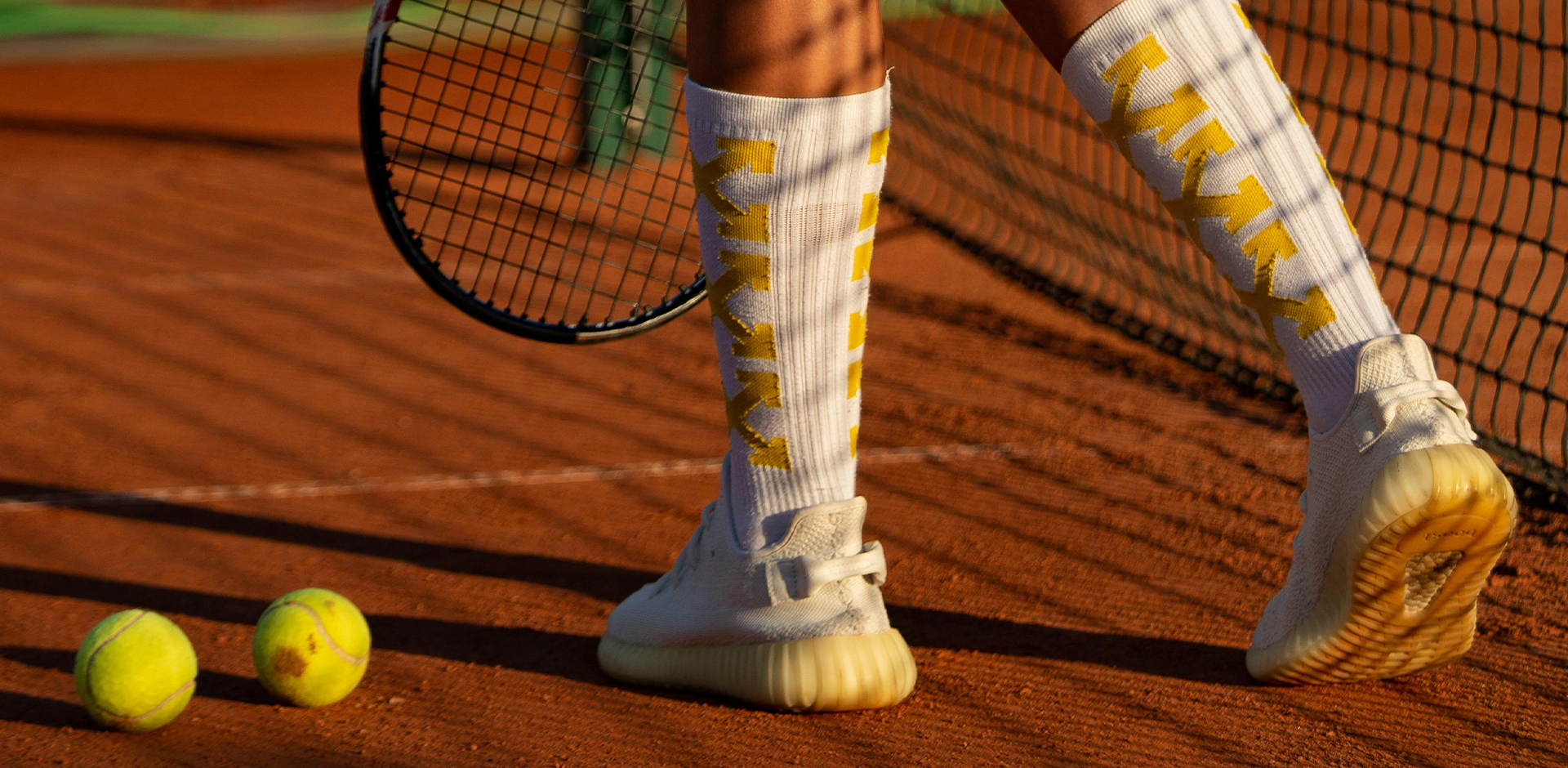
PulseSport Shield
Stable cushioning · Compression set ≤50%
Balanced cushioning stability for basketball, training, and other performance footwear requiring long-lasting support.

PulseSport ECO
PBAT compostable foam
PBAT compostable foam engineered for industrial and home composting applications.
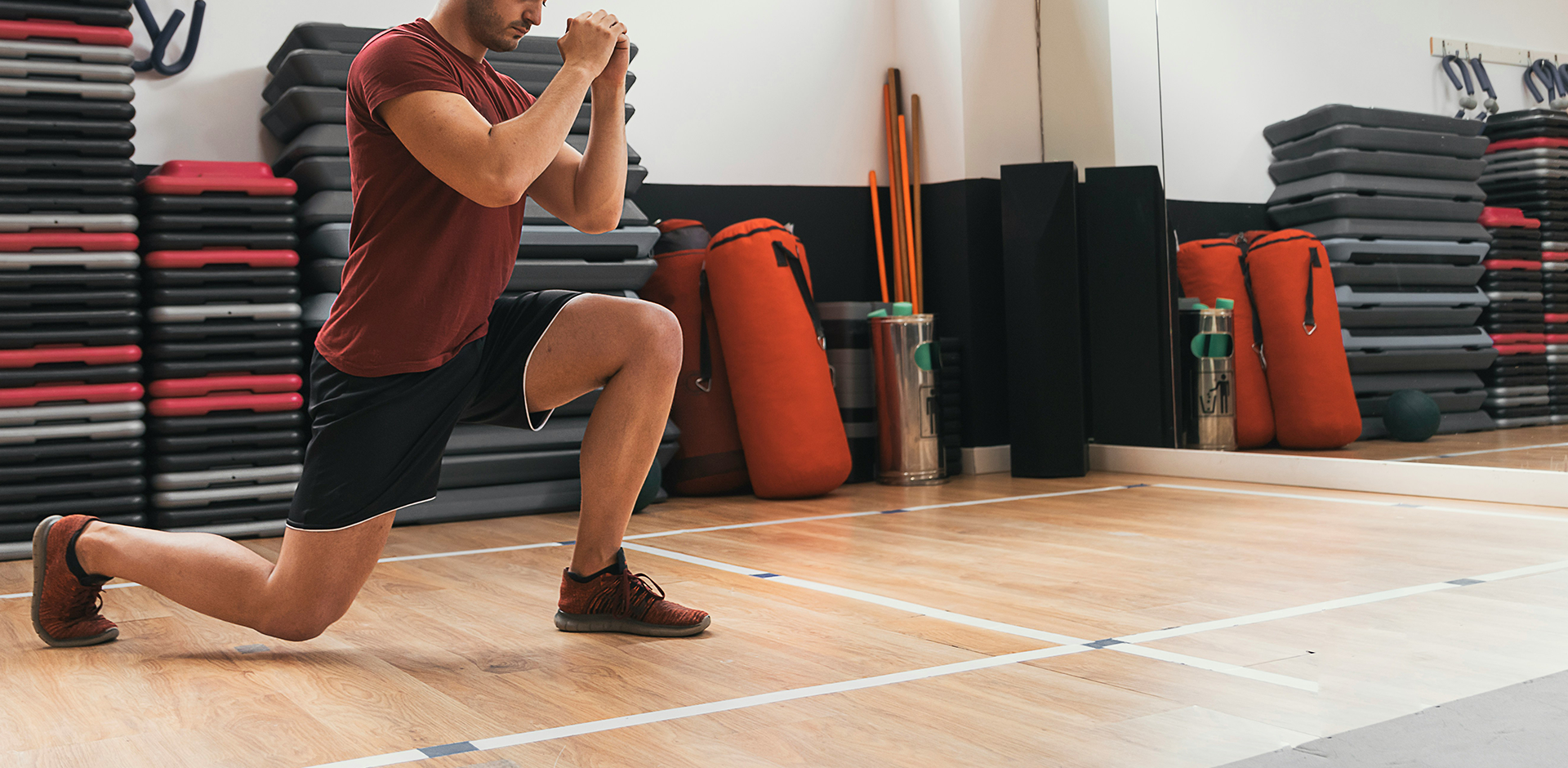
PulseSport Power
Cost-effective performance
Cost-effective performance across E01, SE, ET, and ETPU-BC foam families for volume programs.
PulseSport Bubbles
ETPU bead foam
Colorful ETPU bead foam for lightweight cushioning and visual differentiation.

Supercritical Foam Insole Specifications
| Series | Hardness (Asker C) | Density (g/cm³) | Resilience | Compression Set |
|---|---|---|---|---|
| PulseSport Pro | 23 C, 29 C, 32 C, 35 C | 0.07, 0.09, 0.12 | 75% | 45% |
| PulseSport Lite | 24 C, 29 C | 0.05, 0.09 | 70% | 60% |
| PulseSport Shield | 25 C, 26 C, 32 C, 34 C | 0.07, 0.08, 0.09, 0.12 | 65% | 50% |
| PulseSport ECO | 32 ± 3 C | 0.09 ± 0.02 | 65% | 45% |
| PulseSport Power | 25–38 C | 0.09–0.12 | 50–70% | 60–65% |
Typical production values shown at the series level. Full technical data sheets and lab test reports are available on request.
Recommended Supercritical Foam Solutions
For cost-sensitive footwear programs, PulseSport Power SE provides an accessible entry into supercritical cushioning, delivering higher resilience than conventional chemically foamed EVA while remaining highly cost-effective. It also serves as a practical alternative to open-cell PU insoles.
The TPU/EVA hybrid solution (PulseSport Shield SE) balances lightweight construction, resilience, and cost efficiency in a single platform. With 65% resilience, lower density, and improved compression resistance, it is well suited for sports, outdoor, and lifestyle footwear requiring versatile all-around performance.
For premium performance footwear, PulseSport Pro TPU delivers up to 75% resilience together with excellent compression resistance, making it the preferred choice for running and performance training applications.
For midsoles using similar supercritical foam technologies, see our midsole manufacturing and the PulseSport Aero-Pop particle midsole solutions. Material development runs on a 15-day cycle, with in-house lab testing on every batch.
Supercritical foam performance depends on material consistency, process control, and application expertise. FX Footwear works closely with strategic material partners and applies our footwear manufacturing capabilities to ensure stable production quality.
Physical Foaming, Lower-Impact Potential
Supercritical foaming expands the polymer with inert gas, so chemical blowing agents are not introduced during the foaming process, helping achieve cleaner foam structures and consistent performance. Depending on the formulation and process configuration, physical foaming can also support lower-impact material strategies compared with conventional foaming routes.
Supercritical Foam Insole FAQs
Is supercritical foam better than EVA?
Not necessarily. Conventional EVA remains a practical choice for many volume footwear programs, while supercritical foam technologies provide higher resilience, lower weight, and improved long-term cushioning performance. Within the PulseSport range, different material platforms are engineered to balance cost, weight, rebound, and durability for different footwear applications.
What materials can be supercritically foamed?
We offer supercritical foam solutions based on TPEE, TPU, EVA, and other advanced polymer platforms, plus ETPU bead-foam solutions for lightweight cushioning. Each platform balances energy return, weight, durability, and unit cost differently, so the choice follows the product brief.
Is supercritical foaming environmentally friendly?
Supercritical foaming is a physical process in which gas expands the polymer, so chemical blowing agents are not introduced during the foaming step. Because overall impact also depends on the polymer formulation, additives, and manufacturing configuration, environmental performance should be assessed using the full material system and project-specific data.
How long do supercritical foam insoles last?
Compression set on our supercritical TPU and TPEE grades runs 30–45% in GT-21 testing, against 65–70% for chemically foamed EVA. In wear terms, the insole keeps most of its bounce through the usable life of the shoe rather than flattening within a season.