
Figuring out what insoles do I need is one of those questions that sounds simple until you’re staring at a wall of options — arch support, memory foam, gel, orthotic, sport-specific — and suddenly nothing feels straightforward. The truth is, the right insole depends on a combination of factors: your foot type, your daily activity level, your footwear, and what problem you’re actually trying to solve. This guide breaks it all down in plain language so you can make a confident decision, whether you’re sourcing insoles for personal use or evaluating them at a product level for your footwear line.
1. Know Your Foot Type First
Before you spend a dollar on insoles, you need to understand your foot’s natural structure. The three most common foot types are flat (low arch), neutral (medium arch), and high arch — and each one places different stress on your joints, tendons, and muscles throughout the day.
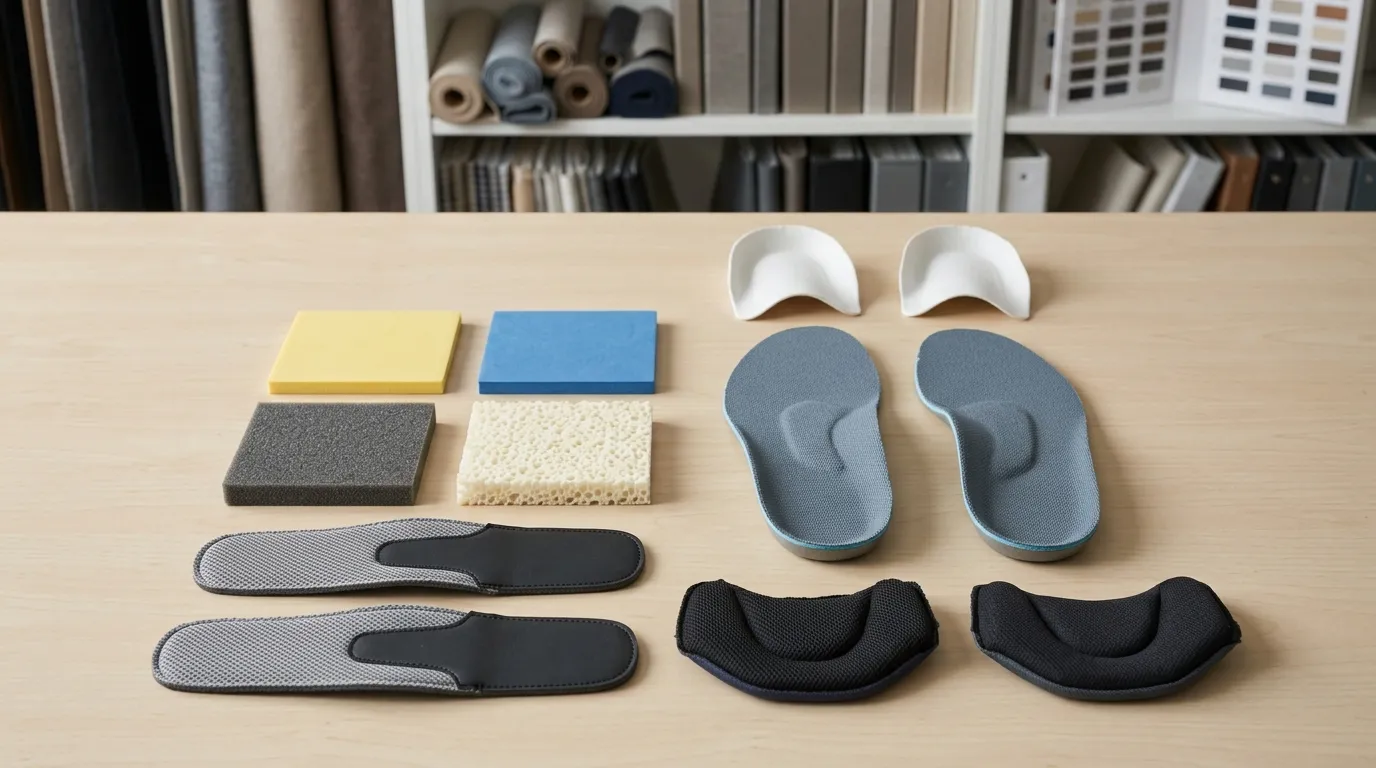
Flat feet tend to overpronate, meaning the ankle rolls inward with each step. This puts strain on the knees and lower back over time. People with flat feet generally benefit from insoles with firm medial arch support that corrects that inward roll rather than just cushioning it. High arches, on the other hand, undersupinate — the foot doesn’t roll inward enough, reducing the body’s natural shock absorption. These individuals need insoles with generous cushioning and a deep heel cup to distribute impact more evenly.
A simple at-home test: wet your foot and step on a piece of cardboard. A full footprint with little to no curve along the inside suggests flat feet. A very thin or broken line along the arch indicates high arches. A moderate curve means you’re likely neutral. Once you know your foot type, the insole selection process becomes much more focused.
2. Match Insoles to Activity Type
Once you know your foot type, the next step is matching your insole to how you actually use your feet. An insole designed for standing on a warehouse floor all day is built differently from one engineered for a marathon runner, and using the wrong type can make problems worse rather than better. Asking what insoles do I need for your specific activity is the right question at this stage — the answer changes significantly depending on whether you’re logging miles on pavement or standing shifts on concrete.
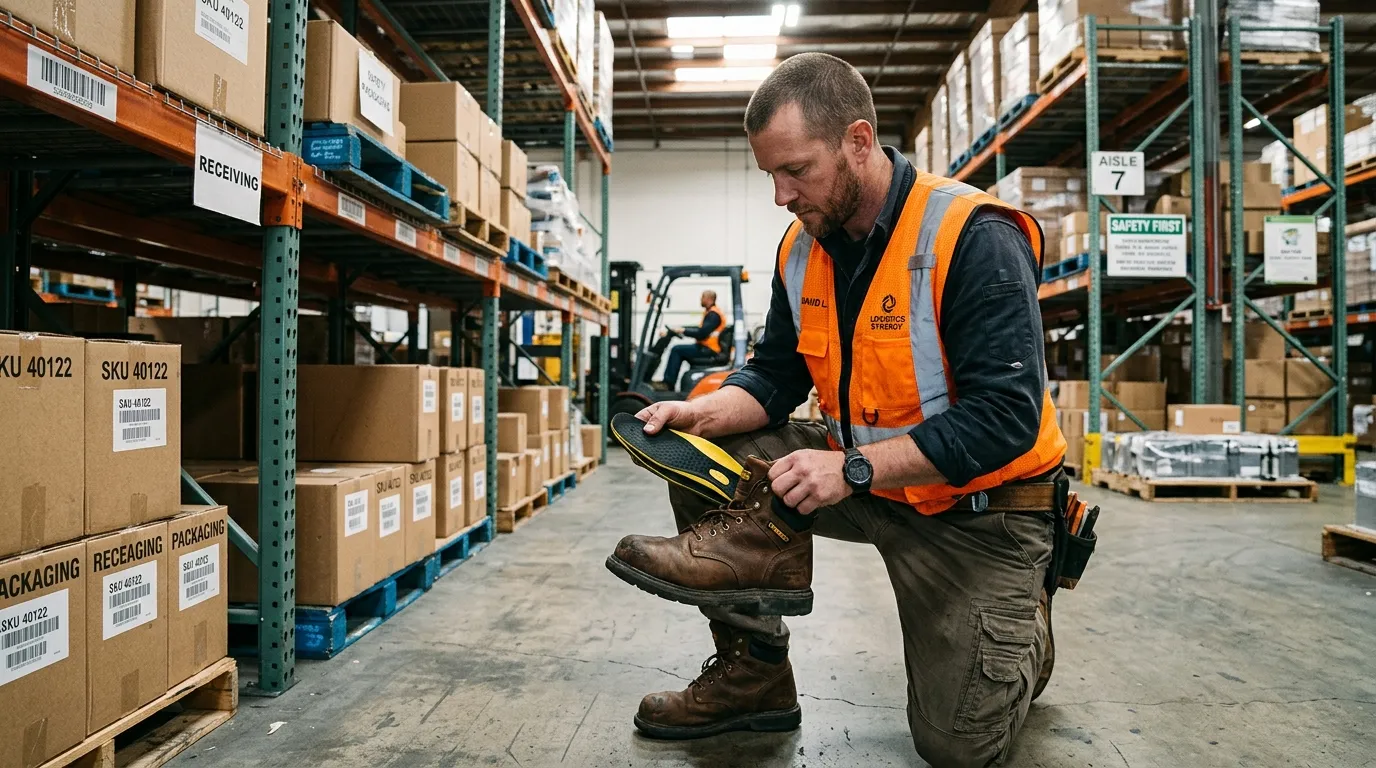
For everyday walking and casual use, the priority is all-day comfort without sacrificing support. A medium-density foam base with light arch contouring and a breathable top cover covers most people’s needs here. If you’re on your feet for long shifts — nurses, retail workers, teachers — look for insoles with targeted metatarsal padding and a firm heel cradle. These features reduce fatigue and prevent that burning sensation that builds toward the end of a long day. You can explore purpose-built options for this category through comfortable shoe insoles designed specifically around the demands of daily wear.
Athletic use demands more. Running insoles should combine responsive cushioning with torsional rigidity — enough flex to allow natural gait but enough structure to prevent overpronation under load. Hiking insoles lean toward stiffer shanks and deeper heel cups for lateral stability on uneven terrain. Court sports like basketball or tennis require lateral support and durability to handle quick directional changes. Matching insole function to sport type isn’t just about comfort — it’s about injury prevention.
3. Insole Materials Explained
The material an insole is made from determines how it feels, how long it lasts, and how it performs under specific conditions. Understanding the core material categories helps you evaluate options rather than just take marketing claims at face value.
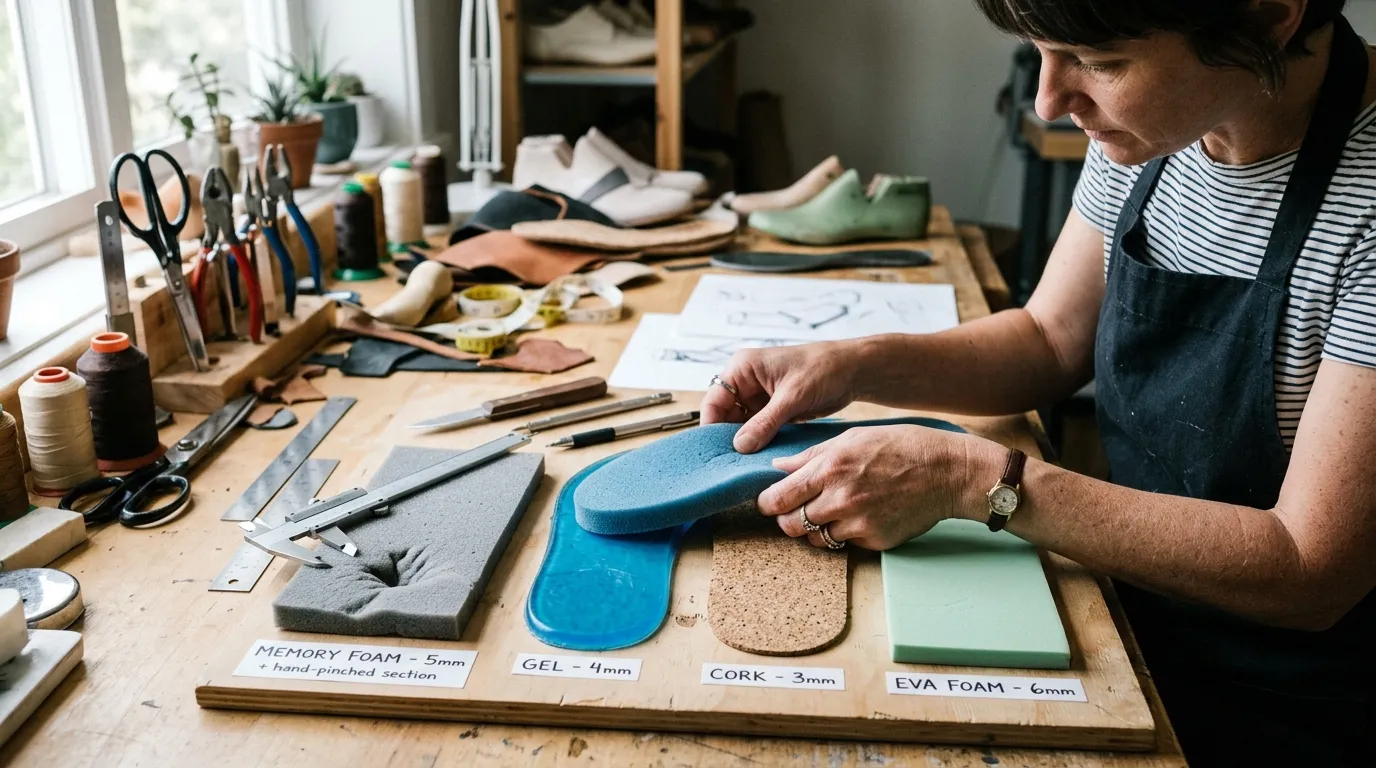
EVA (Ethylene-Vinyl Acetate) is the most widely used insole base material. It’s lightweight, flexible, and provides reliable cushioning at a range of densities. Softer EVA works well for casual comfort; firmer densities are used in athletic and supportive insoles where structure matters. EVA is cost-effective and highly moldable, which is why most mainstream insoles rely on it as a foundation. If you want to explore the range of EVA-based insole constructions available at scale, working with an EVA insole manufacturer gives you access to consistent quality across bulk orders.
Memory foam is a viscoelastic material that conforms to the individual shape of your foot, distributing pressure evenly. It excels at comfort but can feel unstable under dynamic movement because it’s slow to return to shape. It’s best suited for low-impact, everyday use rather than sport applications. Gel inserts offer targeted cushioning — particularly at the heel and forefoot — and are often layered over a foam base for added shock absorption in specific pressure zones.
Supercritical foam represents the next generation of insole materials — produced using a CO2 foaming process that creates an ultra-lightweight, energy-returning cell structure. This material delivers both cushioning and resilience in a way that traditional foam cannot match. For high-performance athletic applications, it’s worth understanding what this technology brings to the table.
4. Sizing and Fit Compatibility
Even the best insole becomes useless — or actively harmful — if it doesn’t fit properly inside your shoe. Sizing and fit compatibility are often overlooked until someone ends up with an insole that folds, shifts, or crowds the toe box.
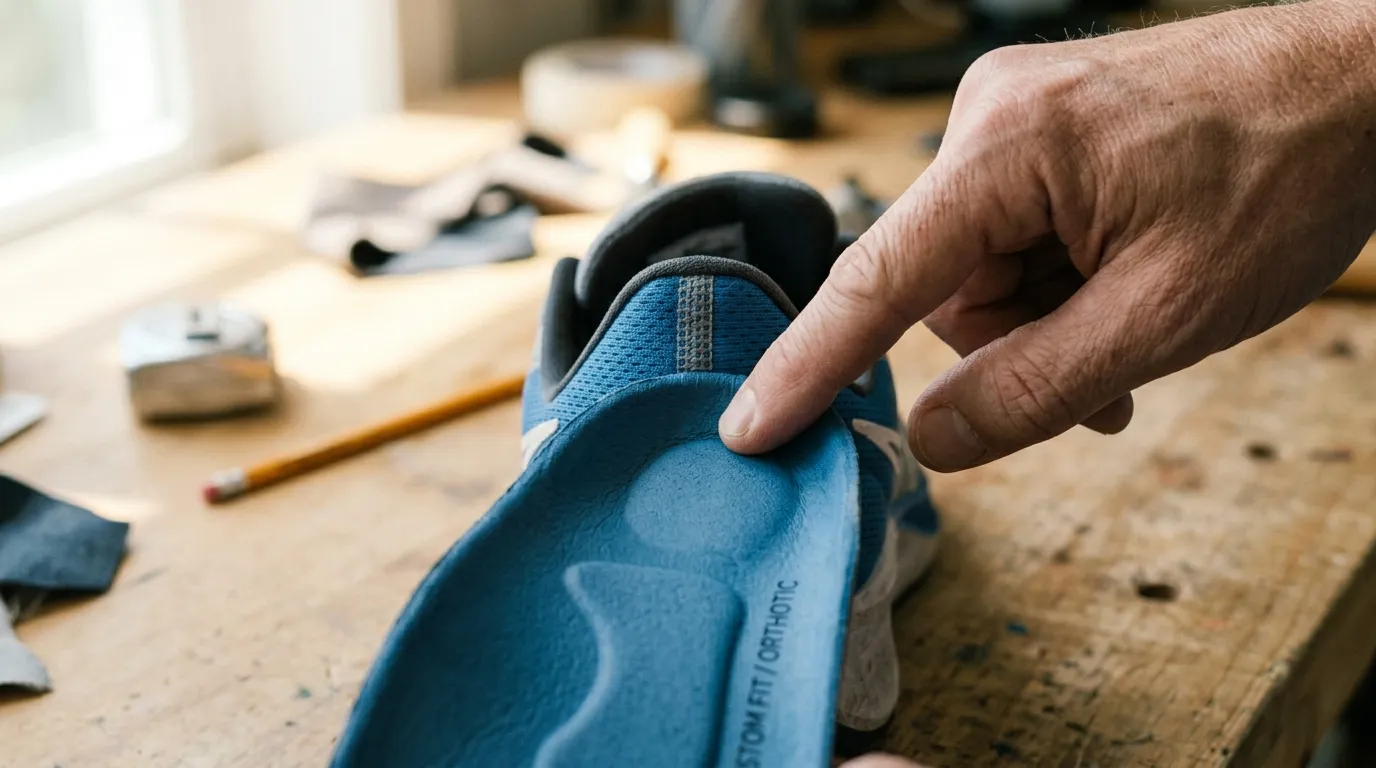
Most insoles are sold in size ranges rather than exact sizes, which means trimming is often required. Look for insoles with trim lines printed on the underside so you can cut to the correct shoe length without guesswork. When trimming, go slightly conservative — you can always remove a little more, but you can’t add material back. A well-fitted insole should lie flat against the shoe’s interior with no bunching or rolling at the edges.
Shoe type matters too. Low-profile shoes like dress oxfords or minimalist sneakers have shallow footbeds that can’t accommodate a thick insole. For these, a slim-profile insole (2–4mm total thickness) is the practical choice. Boots and athletic trainers have deeper footbeds and can handle a full-volume insole without crowding the foot. If you’re removing the factory insole before inserting an aftermarket one — which is often recommended — make sure the replacement matches the volume of what came out.
For brands and footwear manufacturers thinking about insole compatibility at a product development level, working directly with a knowledgeable shoe insole manufacturer ensures your insole geometry is engineered to fit your specific last and footbed dimensions from the start, rather than relying on a generic trim-to-fit solution.
5. Orthotic vs. Cushion Insoles
The distinction between orthotic and cushion insoles is one of the most important — and most misunderstood — concepts in the insole category. Both have legitimate uses, but they solve different problems.
Cushion insoles add softness. They make hard surfaces feel less punishing, absorb impact at the heel, and reduce general foot fatigue. If you’re on your feet for long periods on concrete or tile, a cushion insole addresses that discomfort directly. However, cushioning alone doesn’t correct biomechanical issues. If your feet overpronate, a soft insole may actually allow more pronation because it compresses rather than supports.
Orthotic insoles — whether over-the-counter or custom — are designed to correct foot mechanics. They use structured arch support, heel posting, and sometimes forefoot wedging to alter how your foot contacts the ground and distributes weight through your stride. For people with flat feet, plantar fasciitis, shin splints, or knee pain related to gait, an orthotic approach addresses the root cause rather than masking it. If you’re still asking what insoles do I need after weighing cushion versus orthotic options, a structured insole with cushioning layers on top is the most versatile starting point for most people. For a specialized look at orthotic insoles for running and how they’re engineered for performance use, it’s worth reviewing what structured support looks like in an athletic context.
The practical answer for most people: if you have a biomechanical issue, start with structure. If you have general fatigue or impact discomfort without a gait problem, cushioning may be sufficient. Many quality insoles combine both — a firm arch and heel structure with cushioning layers on top — which makes them versatile enough to handle both needs at once.
FAQ
FAQ: What arch support do I need?
The best starting point is identifying your foot type using the wet foot test described earlier in this guide. Flat feet (low arch) need firm medial support to prevent overpronation. High arches need cushioning and a deep heel cup rather than rigid arch posts. Neutral feet can tolerate a wider range of insoles. If you have persistent foot or knee pain, a podiatrist can provide a professional gait analysis and recommend whether over-the-counter orthotics will suffice or whether custom orthotics are warranted.
FAQ: Can I use insoles in different shoes?
You can transfer insoles between shoes, but it works best when the shoes are similar in style and footbed depth. Moving an insole from a running shoe to a casual sneaker usually works fine. Moving it into a dress shoe with a shallow footbed is more problematic. Also check that the insole still fits flat without bunching — if you trimmed it for one shoe, it may be slightly short for a larger pair. Having a dedicated insole per shoe is ideal for hygiene and consistent fit.
FAQ: How often should insoles be replaced?
Most foam-based insoles last 6 to 12 months with daily use, though this varies by material density, body weight, and activity level. A simple test: press your thumb firmly into the heel area. If the foam doesn’t spring back promptly, it’s compressed and no longer providing the support or cushioning it was designed to deliver. High-mileage runners may need to replace insoles every 300–500 miles, similar to how they track shoe mileage.
FAQ: Are expensive insoles worth it?
Not always — but material quality and construction design do matter. Inexpensive insoles often use low-density foam that compresses quickly and loses effectiveness within weeks. Mid-range and premium insoles use better materials (higher-density EVA, memory foam layering, structured arch components) that hold up longer and perform more consistently. The value calculation depends on how often you’re on your feet and what problem you’re solving. For someone standing 8+ hours a day, a premium insole that lasts a year is almost always worth it compared to replacing a cheap one every few months.
FAQ: What insoles help plantar fasciitis?
Plantar fasciitis responds best to insoles with firm arch support — particularly at the medial arch — and a deep heel cup that cushions and stabilizes the heel. The goal is to reduce tension on the plantar fascia by supporting the arch so it doesn’t flatten excessively during weight-bearing. Avoid flat, soft insoles for this condition, as they allow the arch to collapse further. Many people with plantar fasciitis also benefit from a slight heel lift to reduce tension on the Achilles tendon, which connects to the same fascial chain.
Answering what insoles do I need starts with understanding your foot, your activity, and the specific problem you’re trying to solve — and this guide gives you the framework to do exactly that. If you’re a footwear brand, retailer, or product developer looking to source insoles that meet real-world performance demands, FX Footwear (Fuxiang Group) brings deep manufacturing expertise and a full range of insole constructions built to spec. Explore our full capabilities at fxfootwear.com/insoles/ and connect with our team to discuss your requirements.