Choosing the right insole material can make the difference between a shoe that sells and one that sits on the shelf. For footwear brands, product developers, and procurement teams, understanding what goes inside a shoe is just as important as what goes on the outside. Whether you’re sourcing components for athletic sneakers, casual lifestyle shoes, or work boots, the insole material directly shapes comfort, durability, and consumer satisfaction. This guide breaks down the most common and emerging materials used in insole construction today, so you can make smarter decisions at every stage of product development.
Foam Insole Materials Explained
Foam is the most widely used insole material category in the footwear industry, and for good reason. It offers an excellent balance of cushioning, weight, and cost-effectiveness that few other materials can match. Within foam, however, there are several distinct types, each with different performance characteristics.
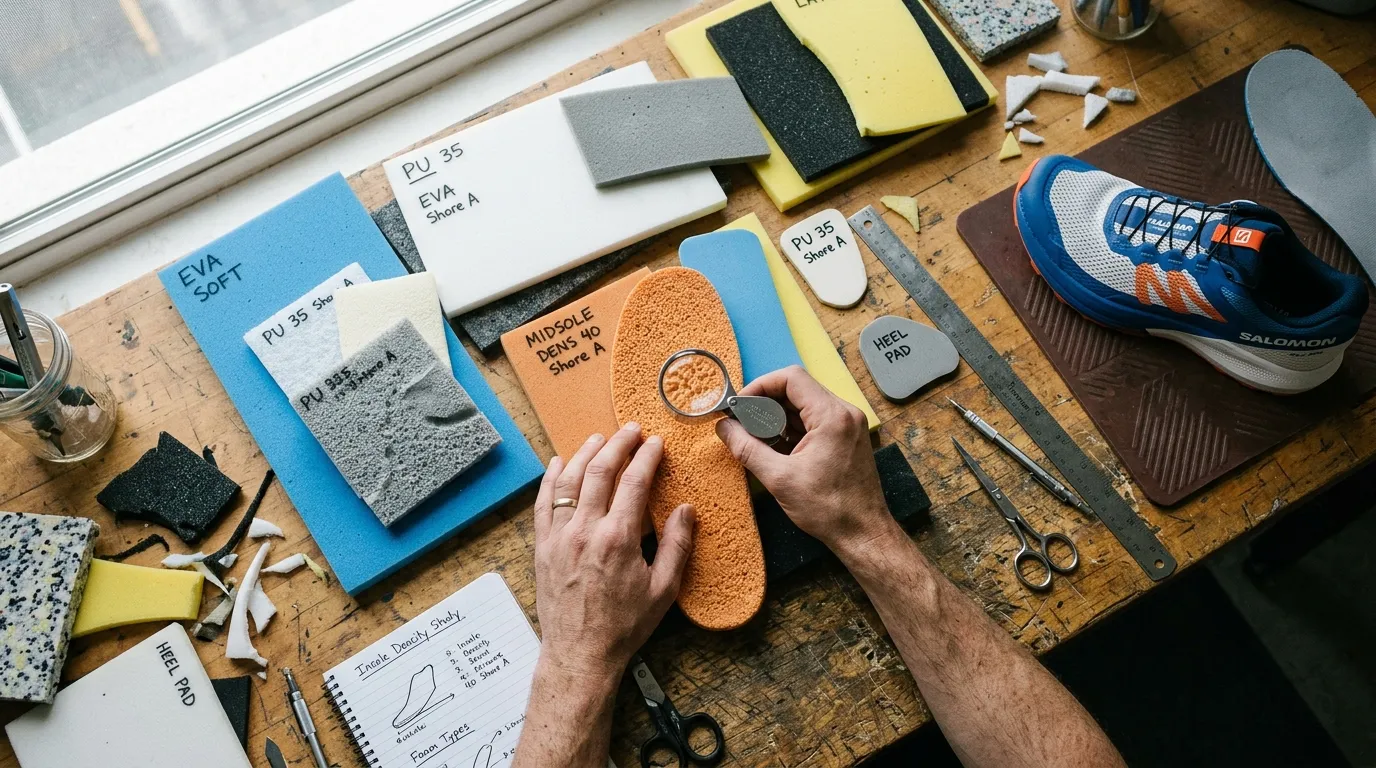
EVA (Ethylene-Vinyl Acetate) is the industry workhorse. It’s lightweight, resilient, and easy to mold into a wide range of densities and thicknesses. EVA insoles are found in everything from budget-tier sneakers to mid-range running shoes. Its main limitation is compression set — over time, EVA can lose its original shape and cushioning properties.
Memory foam, by contrast, is designed to conform to the unique contours of the wearer’s foot. It responds to body heat and pressure, creating a personalized feel that consumers strongly associate with comfort and quality. The manufacturing process behind memory foam insoles is more complex than standard EVA — if you want a deeper look at how quality is maintained during production, the article on memory foam insoles covers the process in excellent detail. For brands positioning around premium comfort, memory foam commands a higher perceived value and retail price.
Gel Insoles: Benefits and Trade-Offs
Gel insoles occupy an interesting niche in the market. Typically constructed using silicone-based gel pads embedded within a foam or textile carrier, they offer superior shock absorption in targeted zones — particularly the heel and forefoot. This makes them popular in footwear designed for standing workers, nurses, hospitality staff, and high-impact athletic applications.
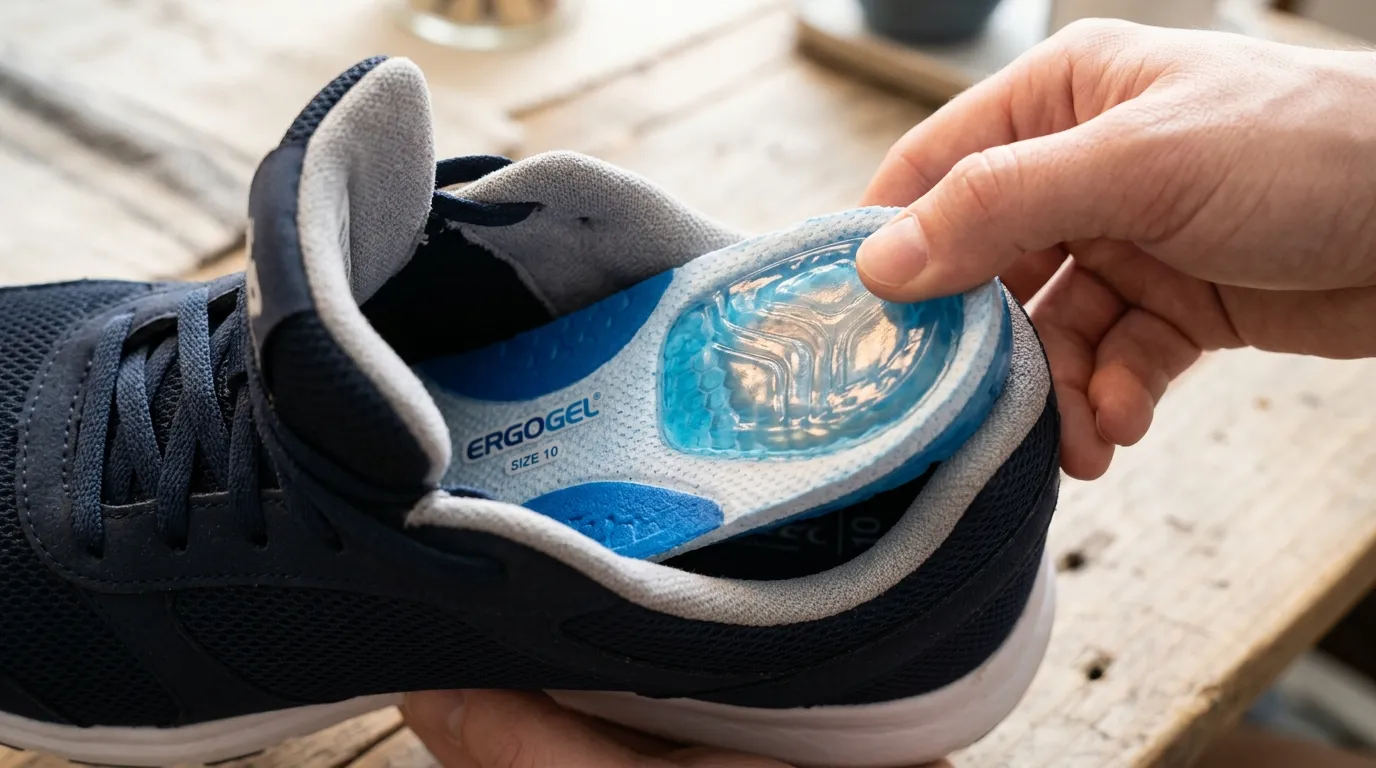
The primary advantage of gel is its ability to absorb and disperse impact energy more effectively than standard foam at equivalent thickness. Consumers often perceive gel as a premium feature, which supports higher price points and helps brands differentiate on the retail floor. However, gel adds weight to the insole assembly, and silicone gel can feel uncomfortably rigid in cold environments, which is worth factoring in for cold-weather footwear lines.
From a manufacturing standpoint, gel insoles require more complex production tooling and stricter quality control to ensure consistent gel placement and encapsulation. The cost per unit is typically higher than foam-only alternatives. That said, the trend toward hybrid constructions — combining gel pods with EVA or polyurethane foam bases — has made it easier for brands to incorporate gel strategically without committing to an all-gel build, keeping costs manageable while still delivering the marketing benefit of gel technology.
Cork, Latex, and Natural Insole Options
As consumer demand for sustainable and natural products grows, cork and latex have re-emerged as highly relevant insole materials. Both have been used in footwear for decades, but modern processing techniques have made them more competitive with synthetic alternatives than ever before.
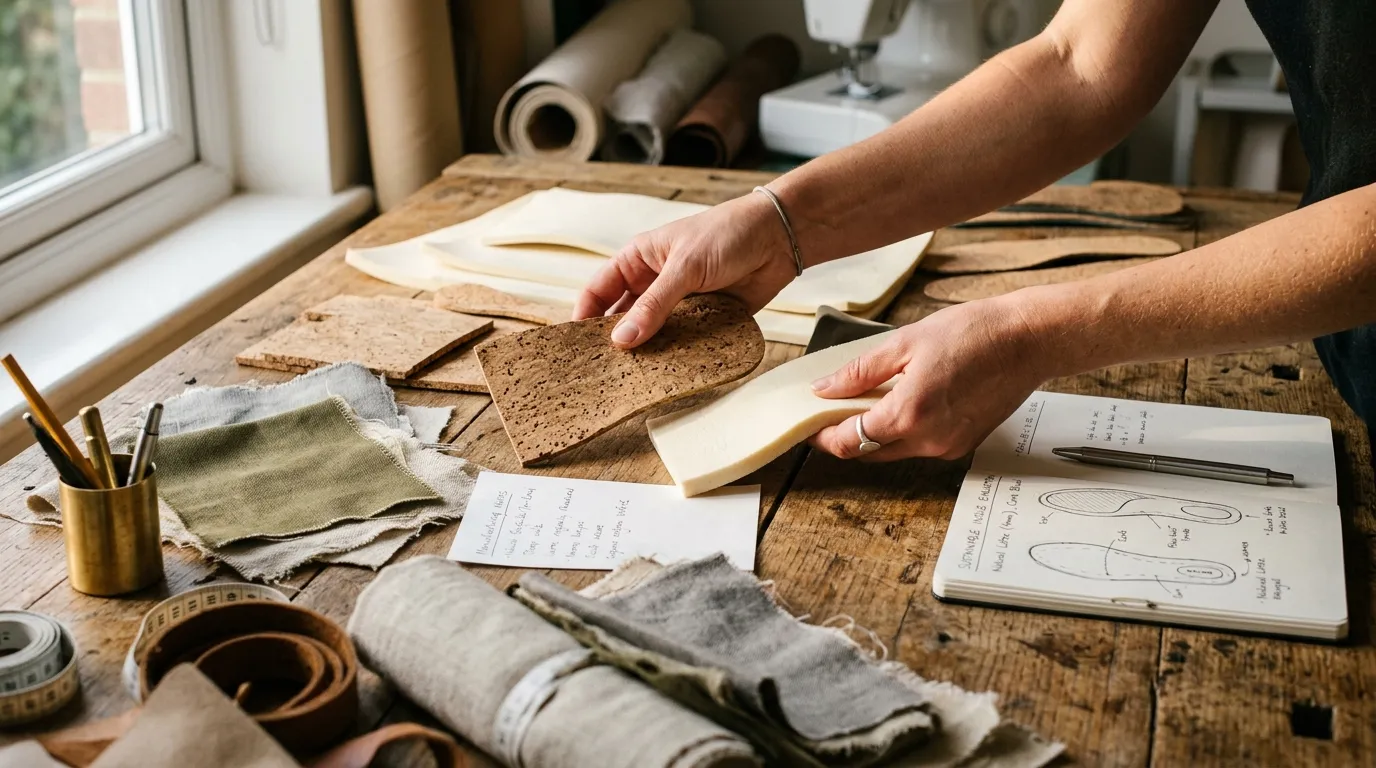
Cork is naturally antimicrobial, lightweight, and has a unique property: it molds gradually to the wearer’s foot over time, creating a custom-like fit. This makes cork a favorite in footwear categories like sandals, clogs, and premium casual shoes. Brands like Birkenstock have built their entire identity around cork footbeds, demonstrating the long-term consumer loyalty the material can command. Cork is also sustainably harvested from cork oak bark without harming the tree, which gives it strong ESG credentials for brands focused on environmental positioning.
Natural latex provides excellent rebound and flexibility. Derived from rubber tree sap, it offers a more organic alternative to synthetic foam while delivering good durability and a responsive underfoot feel. Latex insoles are often found in children’s footwear and wellness-oriented adult shoes. One consideration is that a small percentage of consumers have latex sensitivities, which is worth addressing in product labeling and documentation.
For brands sourcing these materials at scale, working with a knowledgeable custom shoe insole manufacturer ensures consistent quality and access to a broader range of natural and composite material options across different product lines.
Polyurethane and Advanced Foam Technologies
Polyurethane (PU) foam has steadily grown in popularity as a premium insole material, particularly in the mid-to-upper footwear segments. Compared to EVA, PU offers better durability, higher resilience over extended use, and a denser, more supportive feel underfoot. It resists compression set more effectively, meaning the insole maintains its original cushioning properties longer — a key selling point for brands targeting quality-conscious consumers.
One of the most exciting developments in insole foam technology is supercritical CO₂ foaming, sometimes referred to as Pebax or expanded thermoplastic elastomer (eTPU) technology. This process uses pressurized CO₂ to create an open-cell foam structure with exceptional energy return and ultra-low weight. The result is an insole material that performs at a high level in athletic footwear while also supporting brands’ sustainability goals, since the process eliminates certain chemical blowing agents traditionally used in foam manufacturing.
Polyurethane gel composites and dual-density constructions represent another layer of innovation. By layering a softer top foam with a firmer supportive base — or embedding structural elements within the insole — manufacturers can engineer highly specific performance profiles for targeted use cases like trail running, work safety footwear, or orthopedic applications. These advanced constructions often require close collaboration between the brand’s design team and the manufacturing partner from the very earliest stages of product development.
Choosing the Right Insole Material
Selecting an insole material isn’t just a technical decision — it’s a business decision. The right choice depends on your target consumer, price point, performance requirements, and brand values. A few key questions can help guide the process.
What is the primary use case? Running shoes and work boots have very different requirements. Athletic footwear prioritizes energy return and moisture management, while occupational footwear may prioritize shock absorption, arch support, and all-day durability. Understanding what the end consumer will be doing in the shoe narrows your material shortlist considerably.
What is your cost architecture? Premium materials like memory foam, PU, and cork carry higher unit costs than standard EVA. However, they also support higher retail prices and stronger brand differentiation. The goal is to match material investment with the price tier and positioning of the finished product, not simply to minimize component cost.
What do your sustainability commitments require? If your brand has published sustainability targets or is responding to retailer ESG requirements, insole material selection is an area where meaningful progress can be made — and communicated. Natural materials like cork and latex, as well as next-generation CO₂-blown foams, all offer compelling stories to tell. If you’re still developing your understanding of how insoles fit into the bigger picture of shoe construction, it’s worth exploring what are insoles and why the component matters so much to overall product performance. Building that foundational knowledge helps ensure every material decision supports both your product goals and your brand story.
FAQ
FAQ: What is the most durable insole material?
Polyurethane (PU) foam is generally considered the most durable insole material among the common options available. It resists compression set better than EVA and maintains its cushioning and support properties over a longer service life. For brands developing footwear intended for heavy daily use — such as work boots, hiking shoes, or occupational footwear — PU is often the preferred base material. That said, durability is always a function of both material choice and construction quality, so sourcing from a reliable manufacturing partner is equally important.
FAQ: Is gel or foam better for insoles?
Neither gel nor foam is universally better — the right choice depends on the application. Foam (especially EVA and PU) offers lightweight, consistent cushioning across the entire insole, making it suitable for most footwear categories. Gel excels at targeted shock absorption, particularly in the heel and ball of the foot, and is well-suited to footwear for prolonged standing or high-impact activities. Hybrid constructions that combine gel pods with a foam base are increasingly popular because they capture the benefits of both materials while managing weight and cost.
FAQ: Are cork insoles worth it?
For the right product category, cork insoles are absolutely worth the investment. Cork offers a unique combination of properties — gradual foot contouring, natural antimicrobial performance, light weight, and a compelling sustainability story — that few synthetic materials can replicate. The material commands strong consumer loyalty in sandal and premium casual categories. The trade-off is that cork can require a break-in period before it fully molds to the foot, and it may be less suitable for high-intensity athletic applications where immediate responsiveness is critical.
FAQ: What insole material is best for odor control?
Antimicrobial performance is an increasingly important consideration in insole material selection, particularly for athletic and casual footwear worn without socks. Cork and natural latex both have inherent antimicrobial properties. Many foam-based insoles are treated with silver ion or zinc-based antimicrobial additives during manufacturing to reduce odor-causing bacteria. Activated charcoal layers and open-cell foam structures that allow moisture to wick away from the foot surface also contribute significantly to odor management. Specifying antimicrobial treatment as a required feature when ordering from your manufacturing partner is the most reliable approach.
FAQ: Can insole materials be customized for specific footwear brands?
Yes — customization is standard practice in the B2B insole supply chain. Brands can specify material type, density, thickness, top-cover fabric, shape, arch profile, and functional features like metatarsal pads or heel cups. Many manufacturers offer OEM and ODM services that allow brands to develop proprietary insole constructions that align with their specific performance requirements and brand identity. Working closely with your supplier early in the development process — sharing use-case data, target consumer profiles, and cost parameters — leads to significantly better outcomes than selecting from a catalog of pre-existing options.
Whether you’re developing a new footwear line from scratch or optimizing components in an existing range, the insole material choices you make have a lasting impact on product performance, consumer satisfaction, and brand reputation. At FX Footwear (Fuxiang Group), we work with brands and procurement teams across the US market to deliver insole components that meet exacting quality standards across foam, gel, cork, PU, and advanced material categories. Our team brings deep technical knowledge and flexible manufacturing capabilities to every project. Reach out to explore how we can support your next development cycle.