Instep Protection and Lacing Integration
Molded Shoe Tongue Manufacturer for Footwear Brands
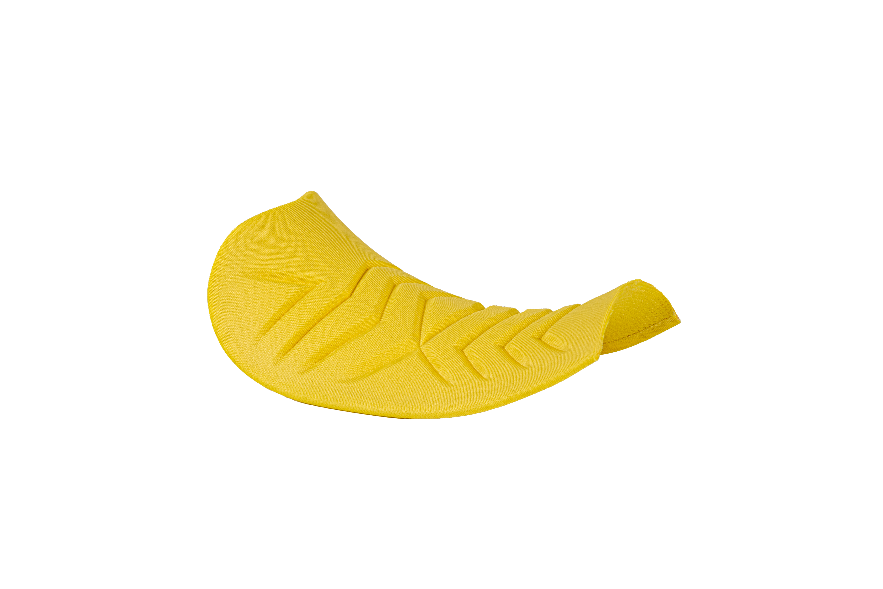
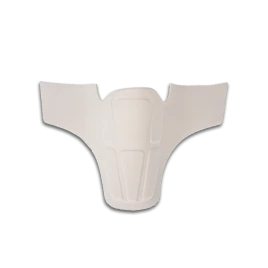
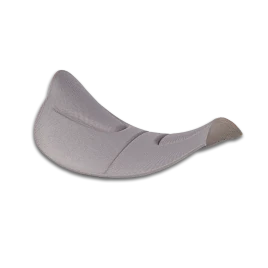
FX develops molded shoe tongues around the instep profile, lacing path and upper construction. Multi-layer fabric and cushioning distribute lace pressure, while a stabilized lining structure helps the tongue remain aligned. Ventilated layers and contoured forming support comfort without relying on one stock thickness or material recipe.
Product Value
A Molded Tongue Developed with the Lacing System
The tongue sits between the laces, instep and surrounding upper. Contour, cushioning, alignment and ventilation therefore need to work as a connected construction.
Instep Pressure Distribution
Multi-layer cushioning spreads lace contact across the tongue area instead of concentrating it at individual lace paths.
More Stable Positioning
A stabilized lining and project-specific geometry help the tongue remain aligned during wear. Final movement depends on the complete lacing and upper design.
Breathable Layer Direction
Ventilated layers can improve airflow and moisture movement through the tongue construction. Material choice and test criteria remain program-specific.
Contoured Upper Integration
Precision cutting and compression molding create a defined profile that relates to the throat opening, lacing layout and neighboring upper panels.
Development Framework
Molded Shoe Tongue Specification Framework
A practical tongue brief connects instep geometry, lace layout, cushioning, ventilation and upper assembly. Final dimensions and materials follow the approved footwear program.
| Development area | Project inputs | What the decision shapes |
|---|---|---|
| Tongue geometry | Last, throat opening, instep profile and size range | Contour, coverage and fit under the laces |
| Cushioning layout | Lace-pressure zones and target contact feel | Layer placement and local protection |
| Material stack | Face textile, cushioning and lining direction | Hand feel, structure and moisture behavior |
| Positioning design | Lace loop, gusset, lining and attachment concept | Tongue alignment within the upper |
| Ventilation | Perforation, mesh openness and airflow objectives | Breathability direction and visual pattern |
| Validation plan | Dimensions, appearance and buyer component methods | Sample approval and production reference |
Application Fit
Molded Tongues Across Footwear Categories
Tongue profile, cushioning and positioning needs change with lace tension, footwear use, upper volume and expected movement.
Running & Training
A lower-profile contoured tongue can distribute lace pressure while staying connected to a lightweight upper direction.
Outdoor
A broader tongue profile and project-specific positioning structure can be reviewed for trail and outdoor lacing systems.
Everyday Comfort
Soft contact layers and an easy instep contour can support comfort-led sneakers and walking footwear.
Work Footwear
More structured tongue builds can be evaluated with the lacing, collar and upper package under the buyer’s finished-shoe requirements.
OEM & ODM Development
Custom Molded Tongue Development
The tongue is developed around the upper rather than selected as an isolated pad. Geometry, layer structure, positioning and surface design remain connected through sampling.
- Instep and throat geometry
- Tongue length and edge shape
- Cushioning-zone layout
- Face textile and lining
- Ventilation pattern
- Positioning and attachment
- Color and visible finish
- Size grading and validation
Quality Process
From Tongue Profile to Production Reference
The process keeps the molded component aligned with lace routing, upper fit and the approved layer construction. FX laboratory and testing support follows the agreed product and buyer requirements.
Product Context
The intended footwear use, upper pattern, lacing path, instep profile and contact objectives establish the tongue brief.
Layer & Form Review
Textile, cushioning, lining, ventilation and molded contour are evaluated as one component construction.
Upper Sample
Tongue alignment, lace-pressure distribution, edge behavior and fit are reviewed within the intended upper and complete shoe.
Production Reference
Approved geometry, layer details, dimensions, appearance limits and buyer test methods guide manufacturing control.
Connected Footwear Development
Why Footwear Teams Develop with FX
One-Stop Component Context
FX works across upper components, insoles and midsoles. Product teams can review how the featured component relates to the surrounding shoe instead of treating it as an isolated part.
Regional Manufacturing Coverage
Fuxiang Group runs eight factories across China, Vietnam and Indonesia. Production scope and location remain part of the individual project review.
Project-Specific Validation
In-house laboratory support follows the approved material, construction and buyer test plan. Third-party coordination is available when external reporting forms part of the program.
Buyer Questions
Molded Shoe Tongue FAQ
What is a molded shoe tongue?
It is a contoured tongue component formed to a defined profile rather than assembled only as a flat fabric piece. FX’s documented direction combines fabric, cushioning and lining layers around the instep and lacing system.
How does a molded tongue manage lace pressure?
Multi-layer cushioning distributes contact across the instep area. The final feel depends on layer placement, thickness, lace routing and the complete upper fit.
Can the tongue be designed to reduce sideways movement?
A stabilized lining, shaped profile and appropriate positioning or attachment details can support alignment. Final tongue movement requires evaluation in the intended upper and lacing configuration.
Can ventilation be included?
Yes. Ventilated layers, mesh openness or project-specific perforation can be considered. Moisture and airflow claims follow the selected materials and agreed validation methods.
Which details are customizable?
Geometry, edge shape, layer layout, face textile, lining, cushioning, ventilation pattern, color and visible finish can be reviewed within the approved material and forming route.
How is a molded tongue approved for production?
The component and upper sample are reviewed for geometry, layer integrity, appearance, alignment and agreed performance methods. The signed-off sample and specification become the production reference.
A Tongue Brief Connected to Fit and Lacing
Instep geometry, upper pattern, lacing layout and cushioning direction provide the basis for a molded tongue development review.