
Not all foam is created equal — and when it comes to footwear performance, density makes all the difference. High-density foam insoles are engineered to deliver superior support, durability, and load management compared to standard soft-foam alternatives. Whether you’re sourcing high density foam insoles at volume or specifying components for a new product line, understanding exactly what high-density foam brings to the table helps you make smarter, more profitable decisions. This guide breaks down the science, the use cases, and the buyer profiles that benefit most from this material category.
What Is High-Density Foam?
High-density foam refers to foam materials with a greater mass per unit volume than standard or low-density alternatives. In practical terms, this means more polymer chains packed into the same space — resulting in a firmer feel, stronger cell structure, and greater resistance to compression over time. Common base materials include EVA (ethylene-vinyl acetate), PU (polyurethane), and memory foam compounds, each available across a range of densities depending on their formulation.
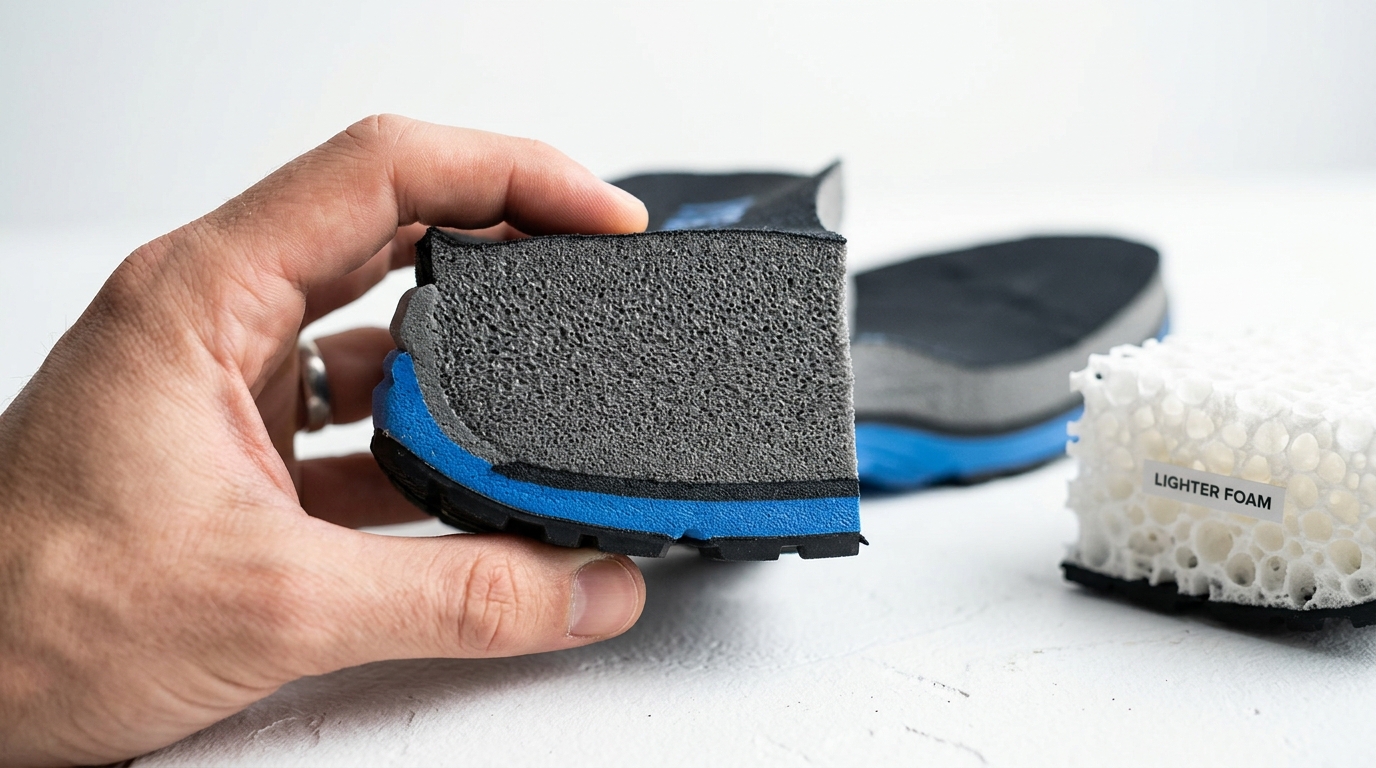
Density is typically measured in kg/m³ or lb/ft³. Standard soft insole foams often fall in the 2–4 lb/ft³ (approximately 30–65 kg/m³) range, while high-density variants push into 4–6 lb/ft³ (approximately 65–100 kg/m³) or higher. That shift in density translates directly into measurable changes in how the insole performs under load, how it rebounds after compression, and how long it retains its original shape over thousands of wear cycles.
For footwear engineers and product developers, density specification isn’t just a comfort preference — it’s a performance variable. Getting it right means matching the insole’s mechanical properties to the specific demands of the end user, whether that’s a construction worker on concrete all day or an athlete logging high-impact training miles.
Who Benefits from High-Density Insoles?
The short answer: anyone whose footwear must handle sustained pressure, heavy loads, or repetitive impact. But the longer answer reveals several distinct user profiles, each with slightly different needs.
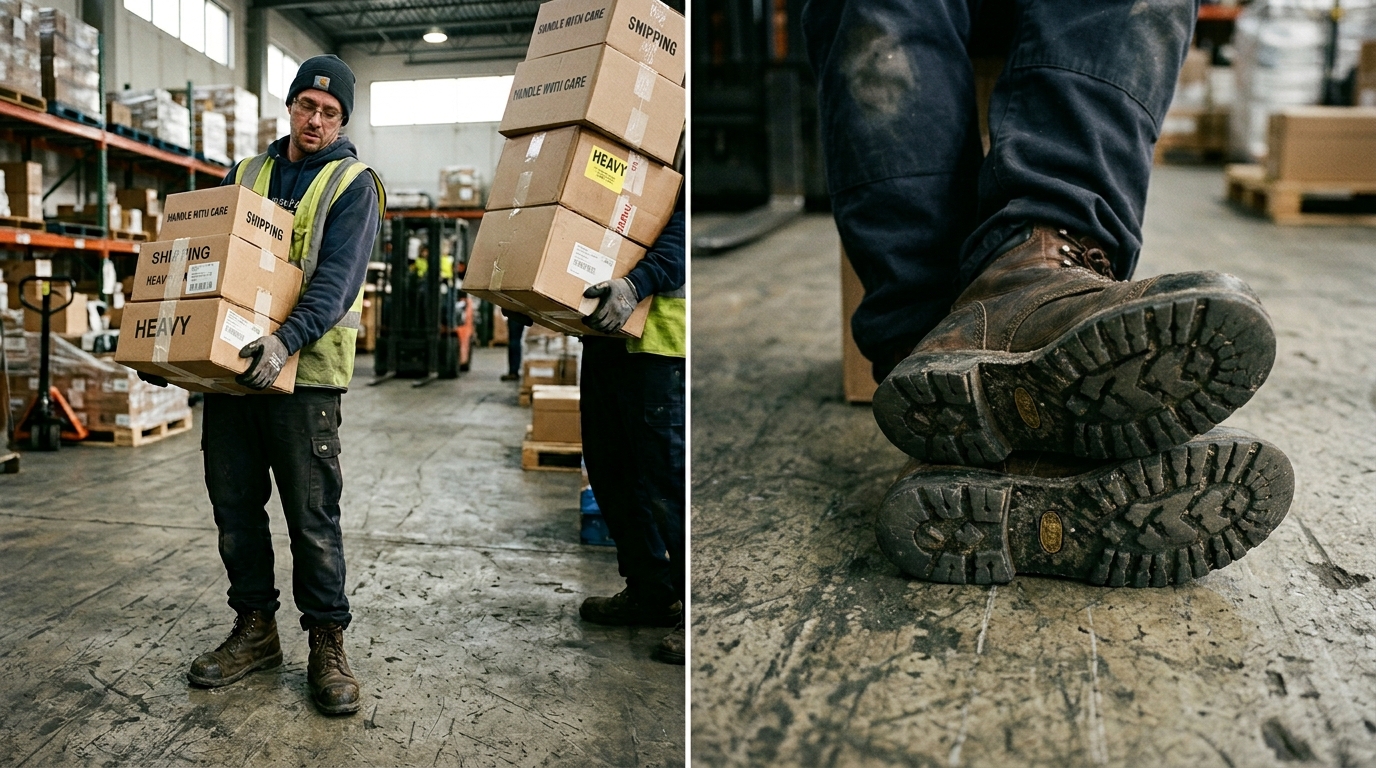
Workers in demanding environments are among the clearest beneficiaries. Warehouse associates, logistics staff, construction crews, and manufacturing workers spend eight or more hours on hard surfaces. Standard soft-foam insoles compress and bottom out within weeks under that kind of constant stress. High-density foam maintains structural integrity far longer, providing consistent arch support and heel cushioning that doesn’t degrade mid-shift.
Athletes and active users represent a different but equally important segment. Runners, court sport players, and cross-training enthusiasts generate high-impact forces that soft foam simply can’t manage efficiently. Research on performance insoles shows that material density directly influences how energy is absorbed and returned during athletic movement — a key factor in both comfort and injury prevention. High-density variants offer a more stable platform that supports proper biomechanics under dynamic conditions.
Plus-size or heavier individuals also see outsized benefit. Body weight amplifies the compressive forces an insole must handle. A foam that performs adequately for an average-weight user may bottom out quickly for someone heavier. High-density foam scales better with load — making it the more appropriate specification for footwear designed with inclusive sizing or broader demographic ranges in mind.
High-Density vs. Standard Foam: Key Differences
Understanding the performance gap between high-density and standard foam requires looking at a few core mechanical properties side by side.
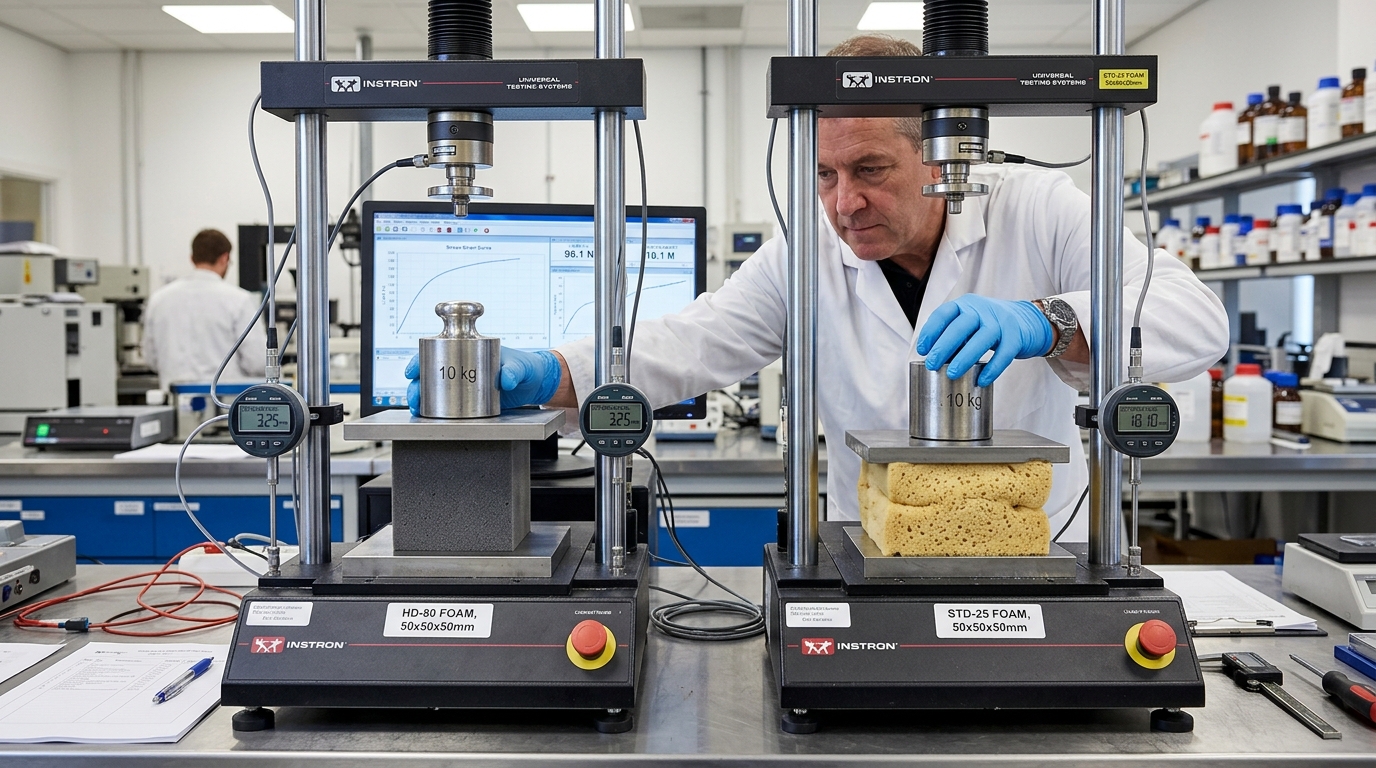
Compression resistance is the most immediate difference. Standard foam yields quickly under load and recovers slowly — or not at all after extended use. High-density foam resists deformation more effectively, which means the insole’s geometry (arch height, heel cup depth, forefoot padding profile) remains intact for significantly longer. For a footwear brand, this directly affects product longevity and the likelihood of returns or warranty claims.
Energy return behaves differently too. Softer, lower-density foams tend to absorb energy without returning much of it — which feels plush initially but becomes fatiguing over long wear. High-density foam, especially formulations like high-rebound EVA or closed-cell PU, stores and returns energy more efficiently. This is why performance footwear categories — running shoes, hiking boots, work boots — rely on denser midsole and insole compounds rather than the softest available option.
Durability under heat and humidity is another area where density matters. Feet generate heat and moisture during wear. Lower-density foams can soften, deform, or develop odor-trapping pockets more readily. Denser, closed-cell structures are more resistant to moisture absorption and thermal breakdown, which is particularly relevant for boots and footwear used in outdoor or industrial environments. For brands looking to specify durable insoles at scale, density is one of the first variables worth getting right.
High-Density Foam by Footwear Category
Density specifications don’t exist in a vacuum — they need to align with the footwear category and its typical end-use scenario. Here’s how high-density foam maps across key product types.

Work and safety footwear is probably the highest-stakes application. ASTM and EN safety standards for occupational footwear often require insoles to withstand specific compression and recovery benchmarks. High-density PU or EVA insoles are the most common choice in this category because they meet those thresholds while also providing the anti-fatigue properties that reduce musculoskeletal strain over long shifts. Brands targeting the occupational safety market frequently specify density floors for insole components to ensure compliance and performance consistency.
Athletic and sports footwear demands a different density profile — often layered. A typical performance insole might pair a high-density base layer (for structural support and stability) with a medium-density or cushioning top layer (for immediate comfort and shock absorption). This dual-density or multi-layer construction is increasingly common in running, trail, and court footwear, where the insole must do multiple jobs simultaneously.
Dress and casual footwear is perhaps the most underappreciated application for high-density foam. Thin-profile dress shoes and loafers often use minimal insole materials, which leads to premature compression and discomfort. Incorporating a slim high-density foam layer — even at just 3–4mm — dramatically extends the functional life of the insole while maintaining the low-profile aesthetic. For brands competing in the premium casual segment, this is a relatively low-cost upgrade with a meaningful impact on perceived quality.
Sourcing High-Density Insoles at Scale
For footwear brands, buyers, and product managers sourcing insole components, density specification is just one part of the picture. You also need to think about consistency across production runs, material traceability, and supplier capability to produce custom geometries and density profiles to spec.
Working with a reliable custom shoe insole manufacturer is essential here. Density values can vary between foam batches if a supplier lacks rigorous quality control — and even small inconsistencies (a variance of ±0.2 lb/ft³, for example) can produce perceptible differences in how an insole feels and performs. At production volumes of tens of thousands of pairs, those inconsistencies add up quickly in the form of customer complaints and returns.
When evaluating suppliers, ask for documentation on density testing methodology (ASTM D3574 is the relevant standard for flexible cellular materials), minimum order quantities for custom density specifications, and lead times for tooling and first article samples. Brands sourcing from overseas manufacturers should also request information on material certifications — particularly REACH compliance and Oeko-Tex Standard 100 — to ensure suitability for US and EU market entry.
FX Footwear (Fuxiang Group), operating as a trusted wholesale shoe insole manufacturer supplier, produces high-density foam insoles across EVA, PU, and advanced foam compound platforms. Custom density profiles, geometries, and surface treatments are available, supported by in-house testing and quality assurance processes designed for high-volume production consistency.
FAQ
FAQ: What density qualifies as “high”?
High-density foam insoles are generally defined as those with a density of approximately 4–6 lb/ft³ (roughly 65–100 kg/m³) or higher, though the threshold can vary by material type. EVA and PU compounds have different baseline density ranges, so “high density” for EVA may sit at a different absolute number than for PU. The more practical benchmark is whether the foam maintains its shape and support profile after extended compression testing — which is what density is ultimately a proxy for.
FAQ: Do high-density insoles feel harder to wear?
Not necessarily. Density and hardness (Shore hardness) are related but distinct properties. A high-density foam can be formulated with a softer surface feel while still maintaining strong structural integrity beneath. Many performance insoles use exactly this approach — a denser base compound with a comfort-oriented top layer. The result is an insole that feels supportive rather than hard, and that retains that quality over a much longer wear period than a uniformly soft foam product.
FAQ: How long do high-density foam insoles last?
Lifespan depends on use intensity, body weight, and material quality, but high-density foam insoles typically outlast standard options by a factor of two to three times. In occupational footwear tested under simulated shift conditions, high-density PU insoles have demonstrated less than 10% compression loss after 500,000 cycles. For the average consumer wearing footwear daily, a quality high-density insole should maintain functional performance for 12–18 months or more before needing replacement.
FAQ: Are high-density insoles suitable for custom orthotics?
High-density foam is commonly used as the base or shell layer in custom orthotic constructions. Its rigidity and dimensional stability make it an ideal substrate for adding corrective geometry — arch fills, heel wedges, metatarsal pads — without those features sinking into the base material over time. For brands or clinicians specifying functional orthotics, a high-density EVA or PU shell is typically the starting point, with cushioning layers added above it as needed.
FAQ: What’s the MOQ for custom insoles?
MOQs vary by manufacturer and by the complexity of the specification. Simple custom density profiles in standard geometries can often be produced at MOQs of 500–1,000 pairs, while fully custom tooling for new lasts or specialty constructions typically requires higher volumes to offset tooling costs. It’s worth discussing tiered pricing with your supplier — many manufacturers, including FX Footwear, offer flexible arrangements for brands scaling from development to full production runs.
High-density foam insoles are a technically sound, commercially smart choice for a wide range of footwear applications — from safety boots to premium athletic trainers to dress shoes with staying power. If you’re specifying insole components for a new line or re-evaluating your current supply chain, FX Footwear (Fuxiang Group) has the manufacturing depth and material expertise to help you get the density specification right at every volume level. Reach out to our team to discuss custom formulations, sample requests, and production timelines.