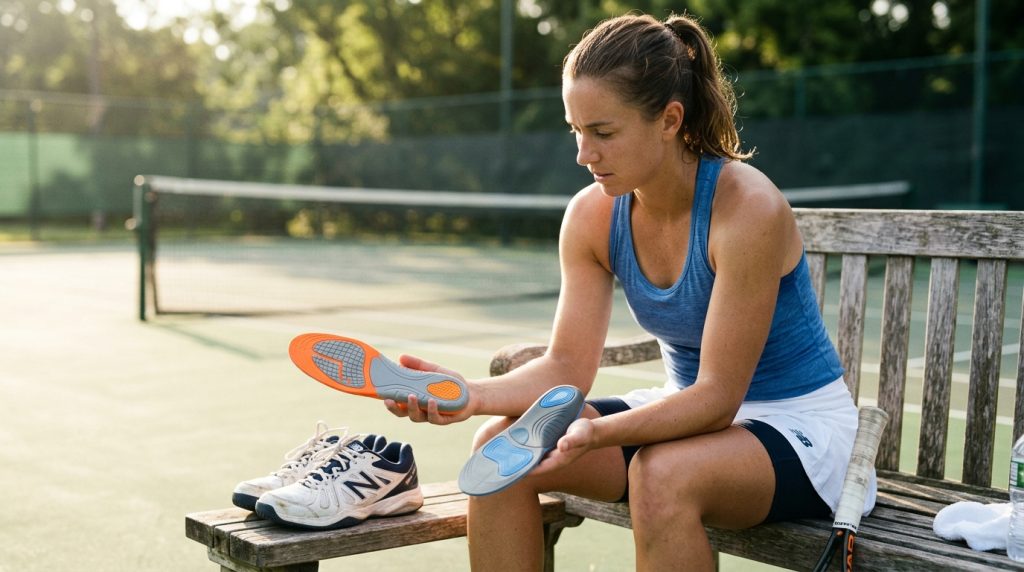
Finding the best insoles for tennis shoes is one of those upgrades that looks minor on paper but transforms how you move on court. Tennis demands explosive lateral cuts, sudden stops, and hours of repetitive impact across unforgiving hard or clay surfaces — your stock insole simply isn’t built for that load. Whether you’re a brand sourcing performance components or a buyer evaluating options for your retail line, this guide breaks down exactly what makes a tennis insole worth the investment and how to match the right construction to real playing demands.
Why Tennis Needs Specialized Insoles
Tennis is not a straight-line sport. A match can involve hundreds of direction changes per set, placing extreme shear forces on the midfoot and heel that a generic foam insert cannot adequately absorb. Over time, poor insole support accelerates fatigue, increases the risk of plantar fasciitis, and reduces court responsiveness — all of which hurt both performance and long-term foot health.
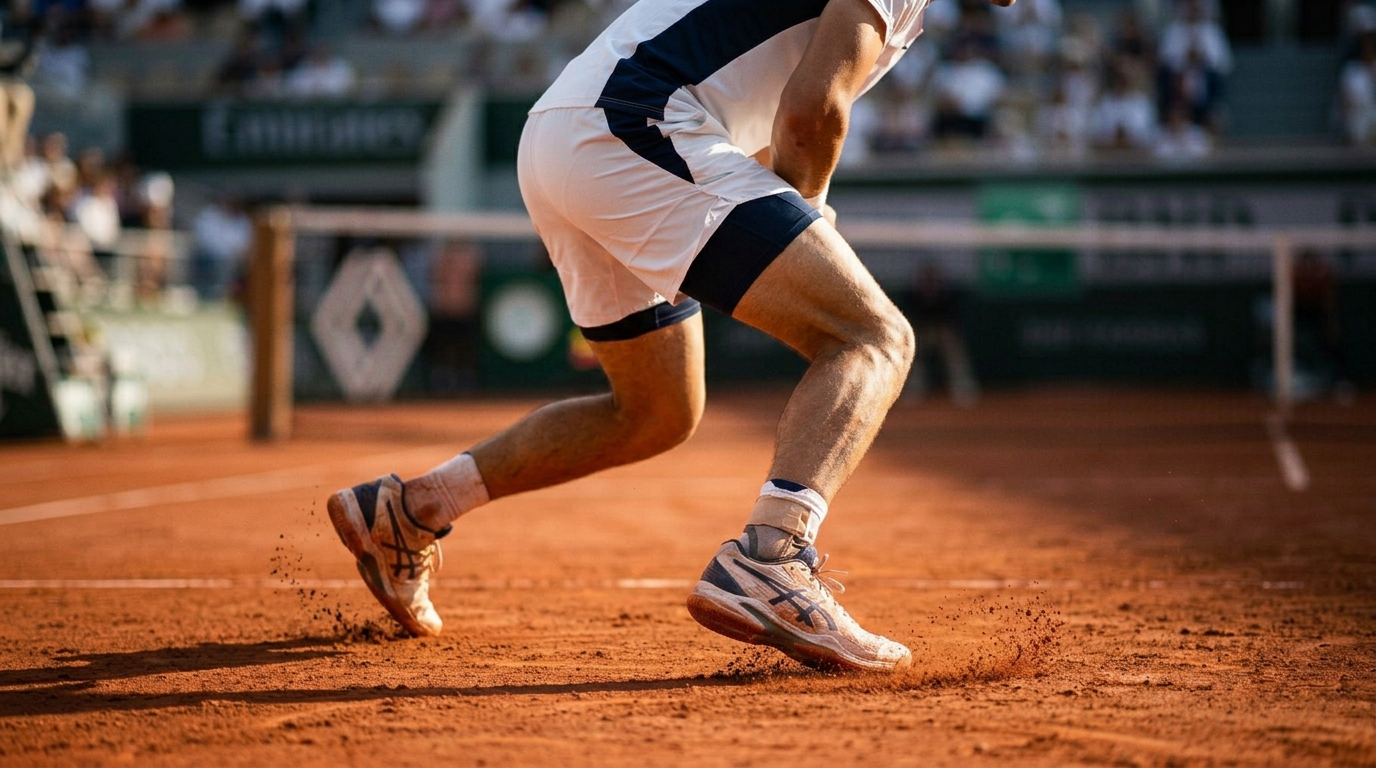
Standard insoles shipped inside most athletic shoes prioritize cost over function. They compress quickly, provide minimal arch structure, and offer little lateral stability. A tennis-specific insole, by contrast, is engineered to handle multidirectional stress, redistribute pressure across the full footprint, and maintain its cushioning properties through extended match play.
For brands and buyers looking at performance footwear components, understanding the demands of court sport is the starting point. Every material choice — foam density, top cloth texture, arch geometry — should trace back to the specific biomechanical stresses tennis puts on a player’s feet.
Key Features in Court Insoles
The most effective insoles for tennis shoes share a handful of measurable characteristics. First is lateral stability: the insole should have a firm, contoured heel cup that locks the foot in place during side-to-side movement and prevents the kind of rolling that leads to ankle sprains. A relatively deep heel cup (typically in the range of 10–16 mm, depending on design) is often used to enhance rearfoot stability.
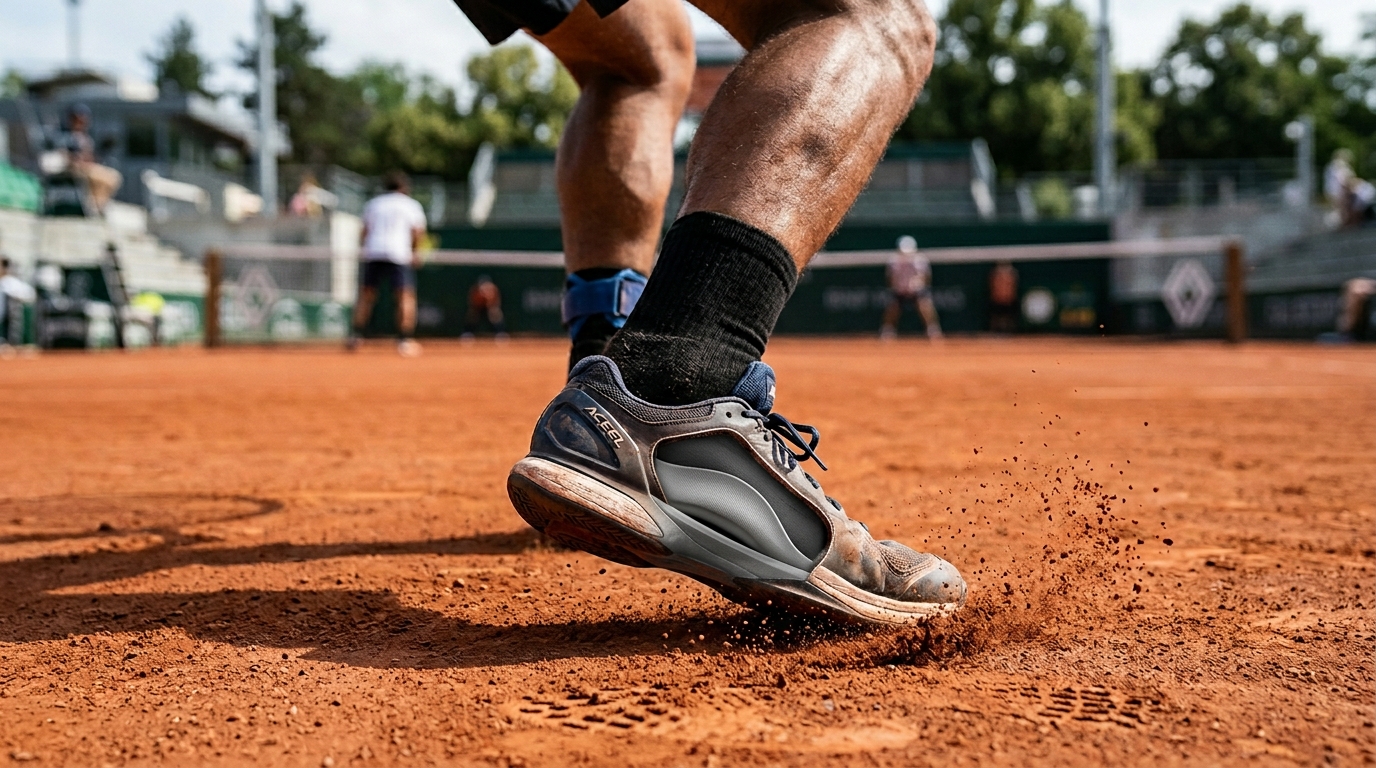
Second is dual-density cushioning. The heel zone needs firmer material to absorb repeated impact from serves and groundstrokes, while the forefoot benefits from slightly softer compound to ease toe-off. Brands working with a reliable shoe insole manufacturer can tune these durometer values for specific court surfaces — harder courts demand more shock attenuation, while clay courts reward greater flexibility.
Third, the top cloth matters more than many buyers realize. A moisture-wicking, antimicrobial surface fabric controls heat and reduces blister friction across long matches. Look for materials that maintain their surface texture even after repeated washing, which is critical for retail product longevity.
Foam Materials & Cushioning Technology
The foam layer is where most of the performance differentiation happens. Traditional EVA foam is cost-effective and widely used, but it compresses and loses rebound speed over a relatively short lifespan — a problem in high-intensity court play where energy return directly affects player explosiveness.
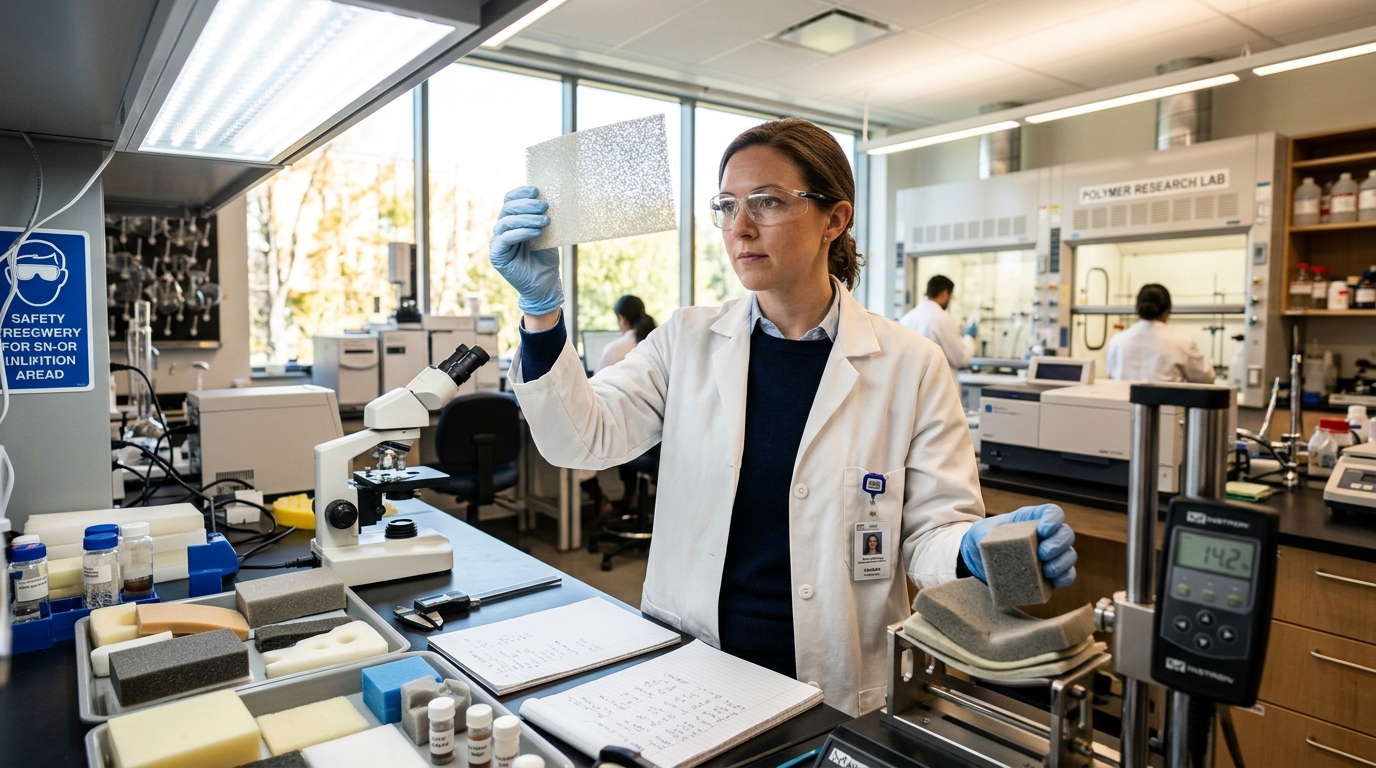
Higher-performance options include PU foam, memory foam blends, and supercritical foam. Supercritical foam — produced through a CO₂ foaming process — delivers an exceptional strength-to-weight ratio, outstanding energy return, and maintains resilience across extended repeated loading cycles compared to conventional EVA foams. For brands developing premium tennis footwear lines, supercritical foam cushioning represents a meaningful step up from conventional insole foam, particularly for players who compete frequently or train at high intensity.
Gel inserts are another option for targeted cushioning zones, often placed under the heel or metatarsal heads. While effective for localized pressure relief, full-gel insoles tend to be heavier — a trade-off worth flagging for performance-focused buyers. The ideal construction for most tennis applications is a layered system: a resilient foam base, a structured arch bridge, and a responsive top layer that returns energy without bottoming out.
Arch Support & Gait Alignment
Arch support is the structural backbone of any performance insole, and it’s an area where tennis players have highly variable needs. Low arches (flat feet) require aggressive medial support to prevent overpronation during lateral cuts. High arches need cushioning that fills the gap between foot and midsole to prevent supination and uneven load distribution.
Brands sourcing insoles for broad retail or OEM applications often need a range of arch profiles — or semi-custom options that work across a wider foot population. It’s worth noting that arch support and motion control are closely related topics; if you’re also evaluating insoles for runners or walkers with alignment issues, the discussion of overpronation insoles and how brands correct gait problems covers that territory in detail and applies to several of the same biomechanical principles.
A properly aligned arch also reduces strain on the Achilles tendon and knee — important for tennis players who deal with repetitive stress injuries. For buyers building product lines that span multiple athletic categories, arch geometry decisions at the insole level ripple upward through the entire fit system of the shoe.
Matching Insoles to Court Surfaces
Hard courts, clay courts, and grass courts impose distinctly different demands, and a thoughtful insole selection accounts for surface type. Hard courts (acrylic or concrete) generate the highest impact forces and require maximum shock attenuation — a firmer heel cup combined with a responsive foam stack is the winning formula here.
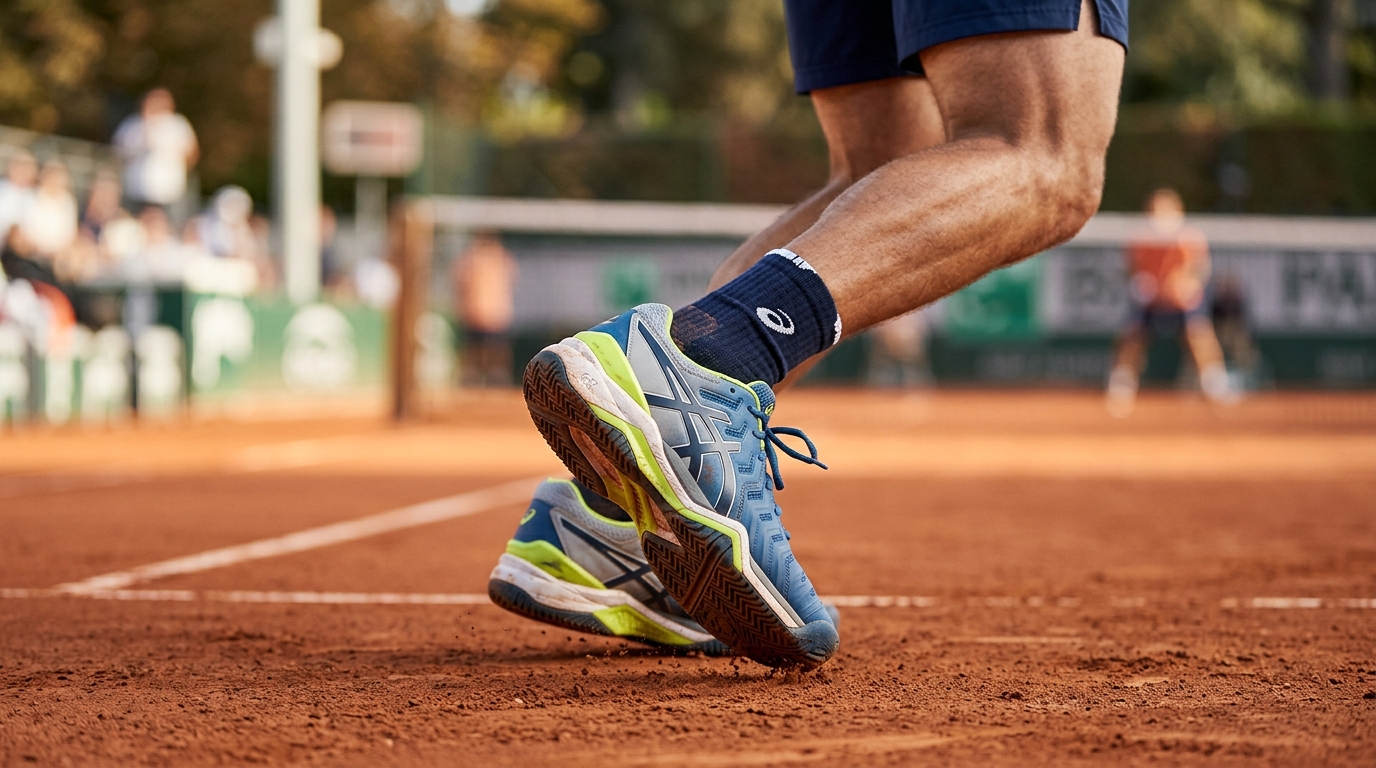
Clay courts are more forgiving on joints but demand greater flexibility and torsional control since feet slide slightly with each stroke. An insole that’s too rigid can fight the natural movement pattern on clay, creating fatigue rather than reducing it. Grass courts are the least common in recreational play but reward lightweight, low-profile insoles that don’t interfere with the shoe’s ground-feel.
For buyers who want a comprehensive framework beyond court-specific choices — covering everything from activity level to arch type — the insole buying guide on matching the right insole to your needs offers a broader decision tree that complements the tennis-specific factors covered here. Whether evaluating by surface type or full buyer decision matrix, selecting the best insoles for tennis shoes means weighing every variable together rather than in isolation.
FAQ
What are the best tennis shoe insoles?
The best insoles for tennis shoes combine lateral stability, a deep heel cup, and dual-density foam that handles both shock absorption and energy return. Look for a firm midfoot arch bridge, moisture-wicking top cloth, and a foam compound — such as supercritical or PU foam — that maintains rebound performance through extended match play rather than compressing flat over time.
How often should tennis insoles be replaced?
Most performance insoles for court sports should be replaced every 60–100 hours of active play, or when visible compression and surface wear become apparent. Because tennis involves high-intensity lateral movement, foam breakdown tends to accelerate faster than in walking or casual footwear. For competitive players training multiple days per week, a seasonal replacement schedule is a reasonable baseline.
Can running insoles work for tennis?
You can, but it’s not ideal. Running insoles are engineered primarily for forward motion and heel-to-toe load transfer. Tennis insoles, by contrast, are built for multidirectional stability and lateral shear resistance. Using a running insole in a tennis shoe may leave the medial arch unsupported during side cuts and increase the risk of ankle rolling or knee strain during match play.
Do insoles help tennis knee pain?
Indirectly, yes. Proper foot alignment through supportive insoles reduces biomechanical stress that travels up the kinetic chain. If overpronation or poor arch support causes the knee to track inward, that compensatory movement can contribute to knee and hip discomfort. Correcting foot alignment at the insole level is a foundational step, though players with persistent joint issues should also work with a sports medicine professional.
OEM vs off-the-shelf tennis insoles?
Off-the-shelf insoles are pre-manufactured in standard sizes and arch profiles, designed to fit a broad population. OEM insoles are produced to a brand’s exact specifications — custom foam densities, arch geometry, heel cup depth, top cloth materials, and branding. For footwear brands building differentiated performance lines, OEM manufacturing allows precise tuning of every performance variable, which is something a quality component partner can support from prototype through production.
Choosing the right insole for tennis footwear comes down to matching material science to the specific demands of court play — lateral forces, surface type, arch alignment, and long-term durability all factor into the equation. Whether you’re developing a new athletic line or refining an existing product, the component decisions made at the insole level have an outsized impact on how the finished shoe performs and how your customers feel wearing it. FX Footwear (Fuxiang Group) brings deep manufacturing expertise to every stage of that process — from material selection and prototype development to full-scale production of performance insoles built for the demands of serious sport. Reach out to explore what a partnership looks like.