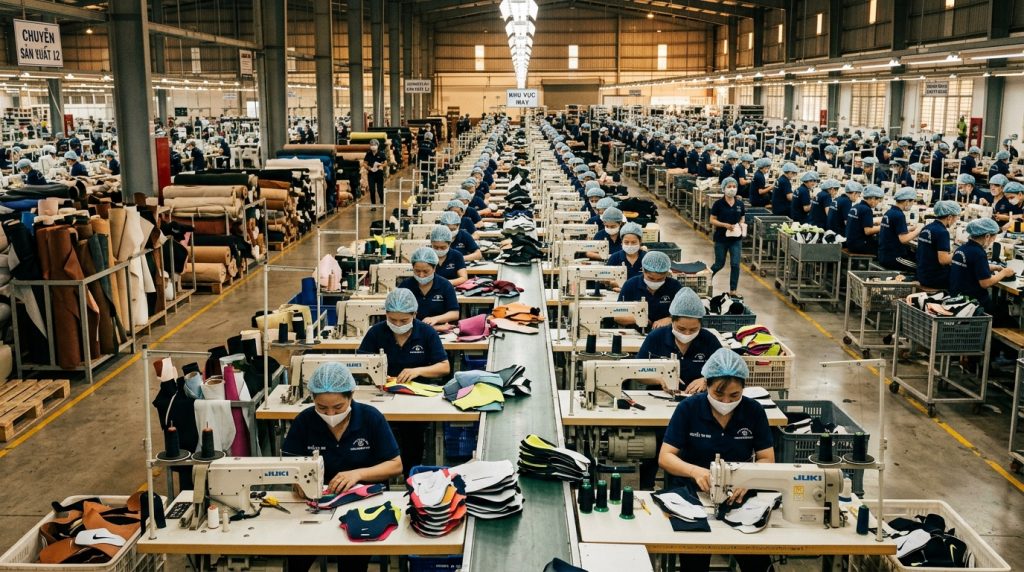
If you’re sourcing wholesale insoles for the first time—or trying to optimize a procurement process that’s gotten messy—you’ve landed in the right place. Whether you’re a footwear brand scaling up production, a private label retailer, or a distributor building inventory, understanding the mechanics of MOQ, lead times, and pricing will save you money, prevent costly delays, and help you build a supplier relationship that actually works. This guide breaks down every key variable you’ll face when buying insoles in volume, so you can walk into negotiations informed and confident.
MOQ: What to Expect
Minimum order quantities are often the first sticking point for buyers new to wholesale insoles. MOQs exist because manufacturers need to offset the fixed costs of setup, material sourcing, and tooling—especially when custom specifications are involved. For standard, off-the-shelf insole styles, MOQs can be as low as 500 to 1,000 pairs per SKU. For fully custom designs—unique materials, proprietary shapes, or private label branding—expect MOQs to start at 2,000 to 5,000 pairs, and sometimes higher depending on the complexity of the construction.
It’s worth noting that MOQ is often negotiable, particularly when you’re working with a supplier you plan to grow with long-term. Some manufacturers will accept a lower initial order if you commit to a larger blanket purchase order over the course of a quarter or season. Others may charge a tooling or setup fee to compensate for a below-minimum run. Always ask explicitly about MOQ flexibility before assuming a number is fixed.
One practical approach: if you’re testing a new insole category, negotiate a sample order of 50 to 100 pairs before committing to full production volumes. Most reputable suppliers will accommodate this, often applying the sample cost toward your first bulk order if you proceed. This protects your investment and gives you real product to test before you’re locked in.
Lead Times by Insole Type
Lead times vary significantly based on insole construction, material availability, and whether you’re ordering stock product or a custom run. For standard EVA foam insoles with no modifications, many suppliers can fulfill orders in 20 to 35 days after payment confirmation, depending on factory capacity and location. More technical constructions—such as a supercritical CO2 foam insole with performance-oriented cellular structures—may require 30 to 45 days due to the precision involved in the manufacturing process.
Custom insoles introduce additional phases to the timeline. Before production begins, you’ll typically go through a sampling stage that adds 7 to 14 days, followed by your approval sign-off. If revisions are needed, factor in another cycle. Once samples are approved, mass production typically requires around 30 to 40 days depending on order size and scheduling.
As a result, a realistic timeline for a fully custom insole order—from initial specification to goods ready for shipment—often falls within 45 to 70 days. Planning for this well in advance of your retail or launch deadlines is critical.
Shipping transit time is separate from production lead time and depends on your chosen freight method and origin. Ocean freight to US ports typically takes 18 to 30 days from East Asia, depending on origin and destination, while shipments from Southeast Asia may vary slightly. Air freight can reduce transit time to around 5 to 10 days door-to-door, but at a significantly higher cost. Building a sourcing calendar that accounts for both production and transit windows—plus a buffer for customs clearance—will help you avoid stockout risks and maintain supply continuity.
Insole Pricing Structures
Pricing for wholesale insoles is driven by four primary factors: material type, construction complexity, order volume, and any value-added services like custom printing, packaging, or arch support engineering. At the entry level, basic flat EVA insoles in standard sizes can cost as little as $0.80 to $1.50 per pair at scale. Mid-tier products—such as cushioned insoles wholesale with multi-density layering and fabric top covers—typically land in the $1.80 to $3.50 range per pair depending on volume.
Premium insoles that incorporate orthotic elements, carbon fiber reinforcements, or advanced foam technologies can range from $6.00 to $15.00 for standard high-performance designs, and may exceed $15.00 to $20.00 or more for complex or specialized constructions.These price points are common in performance running, hiking, and medical/comfort categories where end consumers expect—and pay for—functional differentiation. Understanding your target retail price point and working backward from your desired margin will quickly clarify which price tier makes sense for your product line.
Be cautious of pricing that seems too low. Insoles manufactured below market rate often cut corners on density consistency, topcover durability, or adhesive quality—issues that won’t show up in a photo or even a quick feel test, but will manifest in returns and complaints after a few months of wear. Always request material specifications and independent lab test results (such as SATRA or SGS certifications) alongside any pricing quote.
Evaluating Supplier Capabilities
Not all insole suppliers are created equal, and the difference between a reliable manufacturing partner and a problematic one often lies in details that aren’t visible on a product catalog page. When evaluating a wholesale insole supplier, start by assessing their in-house capabilities: do they own their molds and tooling, or do they outsource? Do they have their own material compounding, or do they buy pre-made sheets from third parties? Vertical integration typically means better quality control and faster turnaround.
Factory audits—either in person or through a third-party inspection service—are worth the investment for any supplier you plan to work with consistently. Look for suppliers with structured quality control systems—this may include ISO 9001 certification or equivalent internal processes supported by testing and inspection protocols. If you’re selling into the US market with sustainability messaging, ask about environmental certifications and material traceability. A capable partner like a well-established shoe insole manufacturer will have documented processes, transparent communication, and a track record of exporting to your target market.
Reference checks matter too. Ask suppliers for two or three buyer references in a similar product category and actually call them. Questions to ask: Were lead times honored? How were quality issues handled? Was communication responsive during production? The answers to these questions will tell you more than any factory tour.
Negotiating Terms and Reducing Risk
Once you’ve identified a capable supplier at a competitive price point, the negotiation phase is where you protect your business. Payment terms vary depending on the stage of the relationship and order scale. For new customers, a 30% deposit with 70% balance before shipment is standard practice, and sampling costs are typically paid upfront. As the partnership develops and order volumes increase, more flexible terms—such as balance after shipment, Net 30/60/90, or open account arrangements—may be negotiated based on mutual trust and credit evaluation.
Quality assurance clauses should be written into every purchase order. Define acceptable defect rates (AQL sampling standards are the industry norm), specify what happens in the event of a quality failure—whether that’s rework at the supplier’s cost, replacement goods, or a partial refund—and agree on who bears inspection costs. If you’re sourcing through an intermediary or trading company rather than a direct factory, be aware that adding that layer can complicate accountability when problems arise. For deeper guidance on structuring that supplier relationship correctly from the start, the article on OEM insole manufacturer selection covers the qualification process in detail.
Incoterms are equally important to clarify upfront. FOB (Free On Board) is the most common arrangement for US importers—you take responsibility for the goods once they’re loaded at the origin port, which gives you flexibility to choose your own freight forwarder. DDP (Delivered Duty Paid) shifts more logistical responsibility to the supplier but reduces your control and often costs more in the long run. Knowing your Incoterms before you sign a purchase order prevents expensive surprises at the border.
FAQ
FAQ: What is a typical MOQ for wholesale insoles?
MOQs for wholesale insoles vary by product type and supplier. Standard stock insoles often start at 500 to 1,000 pairs per SKU, while custom or private label designs typically begin at 2,000 to 5,000 pairs. Some suppliers will negotiate lower MOQs for new buyers in exchange for a tooling fee or a commitment to future orders. It’s always worth asking—flexibility exists more often than catalogs suggest.
FAQ: How long does insole production take?
For standard insole styles with no customization, production typically takes 20 to 35 days after order confirmation and deposit receipt, depending on factory capacity and location. Custom insoles—including sampling, approval, and mass production—generally require 45 to 70 days from initial specification to goods ready for shipment, with sampling taking 7 to 14 days and bulk production around 30 to 40 days depending on order size and scheduling. Shipping time is additional, with ocean freight to major international routes typically taking 18 to 35 days, bringing the total sourcing cycle for a first-time custom order to approximately 65 to 100 days.
FAQ: What factors affect wholesale insole pricing?
The main pricing drivers are material type (EVA, memory foam, polyurethane, CO2 foam), construction complexity, order volume, and any added services like custom packaging or private labeling. Basic EVA insoles can cost under $1.50 per pair in volume, while premium performance or orthotic insoles can reach $8.00 to $20.00 or more. Higher volumes almost always unlock lower per-unit costs, so understanding your demand forecast before quoting is important.
FAQ: How do I verify insole quality before committing to bulk orders?
Request a pre-production sample or pilot run before committing to full production volumes. Review material specification sheets and ask for lab test certifications (SATRA, SGS, or equivalent) confirming density, durability, and chemical safety. For ongoing partnerships, conduct AQL-based pre-shipment inspections—either through your own QC team or a third-party inspection service—before releasing final payment. Don’t rely on photos or catalog images alone.
FAQ: Is it better to source insoles directly from a factory or through a trading company?
Sourcing directly from a factory typically offers better pricing, more transparency, and clearer accountability for quality issues. Trading companies can be useful if you’re buying small quantities across multiple product types or if you lack the time to manage supplier relationships directly. However, for wholesale insole sourcing at meaningful volume, a direct factory relationship is usually the better long-term investment—especially when customization or technical specifications are involved.
Ready to move from research to real product? FX Footwear (Fuxiang Group) works with footwear brands, retailers, and distributors across the US to deliver high-quality wholesale insoles with transparent pricing, flexible MOQs, and consistent lead times backed by decades of manufacturing expertise. Whether you’re sourcing a functional everyday insole or a performance-grade specialty product, our team can walk you through the full process—from initial specification to final delivery. Reach out to FX Footwear today to request samples, pricing, or a sourcing consultation tailored to your product needs.